
Losing weight in the gym can be achieved through strength training, aerobic exercise, high-intensity interval training, group courses, and professional guidance. Losing weight requires a combination of scientific exercise and a balanced diet, and long-term persistence to achieve the desired results.
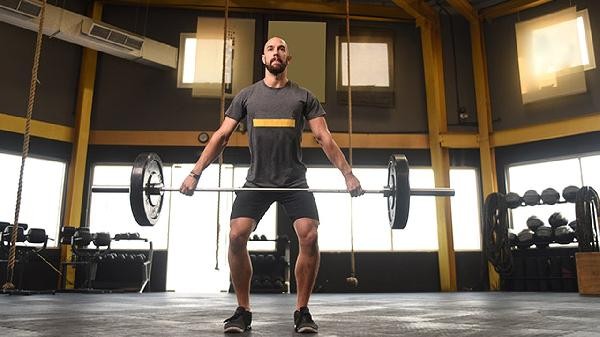
1. Strength Training
Strength training helps increase muscle mass and improve basal metabolic rate. Common strength training includes barbell squats, dumbbell bench presses, and equipment training. After increasing muscle mass, it can burn more calories even during rest. It is recommended to perform 2-3 strength training sessions per week, focusing on the main muscle groups each time. Strength training can also improve posture and prevent sports injuries.
2. Aerobic exercise
Aerobic exercise can effectively burn fat, and common projects include treadmills, elliptical machines, and spinning bikes. Moderate intensity aerobic exercise lasting 30-60 minutes each time is more effective. Before aerobic exercise, a 5-10 minute warm-up should be done, and after exercise, stretching and relaxation should be done. It is recommended to engage in 3-5 aerobic exercises per week to maintain a heart rate within the range of 60% -80% of maximum heart rate.
3. High intensity interval training
High intensity interval training can burn a large amount of calories in a short period of time and produce a sustained fat burning effect after exercise. The typical training mode is 30 seconds of full strength exercise combined with 30 seconds of rest, repeated 8-12 sets. This training method is suitable for people with a certain sports foundation, and can be done 2-3 times a week. Warm up thoroughly before training to avoid sports injuries.

4. Group Courses
Fitness center group courses such as combat gymnastics, yoga, and dance can increase the fun of exercise. Group courses have professional coaches to guide movements, ensuring training effectiveness. The course atmosphere is lively and easier to persist in. It is recommended to participate in 2-3 group courses per week, and choose different types of courses to exercise different muscle groups. Group courses can also help you meet like-minded fitness partners.
5. Professional guidance
Hiring a personal coach can develop personalized training plans to ensure standardized movements. The coach will adjust the training plan based on data such as body fat percentage and muscle mass. Professional guidance can prevent sports injuries and improve training efficiency. Regular physical tests can track weight loss progress. Coaches can also provide dietary advice to help establish a healthy lifestyle.

To lose weight in a gym, it is necessary to develop a reasonable training plan and gradually increase the intensity of exercise. Warm up and stretch before and after exercise, and replenish enough water. Maintain a regular schedule and ensure adequate sleep. In terms of diet, it is important to control total calorie intake and increase high-quality protein and dietary fiber. Regularly measuring body fat percentage is more meaningful than simply focusing on weight. During the platform period, it is necessary to adjust the training plan in a timely manner and consult a professional nutritionist or fitness coach if necessary.





Comments (0)
Leave a Comment
No comments yet
Be the first to share your thoughts!