
Memory loss and cognitive impairment can be improved through lifestyle adjustments, cognitive training, nutritional supplementation, stress management, and medical interventions. There are mainly methods such as regular sleep, mental exercise, balanced diet, emotional regulation, and disease screening.

1. Regular sleep schedule
Ensuring sufficient sleep is crucial for the recovery of brain function, and the deep sleep stage is a critical period for memory consolidation. It is recommended to set a fixed bedtime and wake-up time, avoid using electronic devices before bedtime, and create a dark and quiet sleeping environment. Long term sleep deprivation can lead to hippocampal atrophy, directly affecting information encoding and extraction abilities.
2. Mental Exercise
Continuous cognitive training can promote neural plasticity, and it is recommended to engage in diverse mental activities such as memory card pairing, Sudoku, and learning new languages. Aerobic exercise such as brisk walking and swimming can increase brain blood flow and stimulate the secretion of brain-derived neurotrophic factors. Doing it several times a week is more effective.
3. Balanced diet
Increase the intake of deep-sea fish rich in omega-3 fatty acids, berry fruits containing antioxidants, whole grains, and other foods. Moderate supplementation of B vitamins and vitamin E to avoid brain cell inflammation caused by high sugar and high-fat diet. Maintaining sufficient water intake helps to maintain the metabolic activity of brain cells.

4. Emotion regulation
Long term anxiety and depression can damage the function of the prefrontal cortex, while mindfulness meditation and deep breathing exercises can reduce stress hormone levels. Establishing a social support network and regularly communicating with family and friends can stimulate dopamine secretion and improve cognitive flexibility. If necessary, seek professional psychological counseling.
5. Disease screening
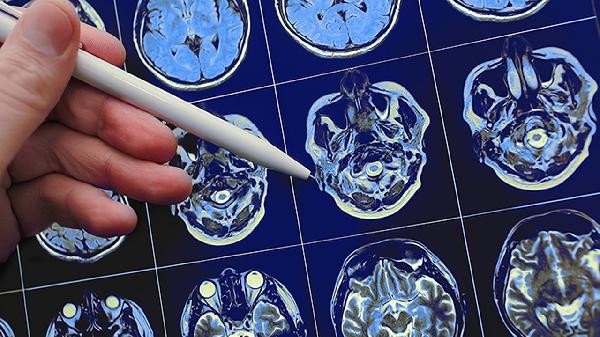
hypothyroidism, vitamin B12 deficiency, early cognitive impairment, and other diseases can all manifest as memory decline. If the symptoms continue to worsen, neuropsychological evaluation and head imaging examination are required. Some medication side effects may also affect cognition, and medication plans need to be adjusted under the guidance of a doctor. Improving cognitive function requires multidimensional long-term intervention, and it is recommended to establish a comprehensive plan that includes physical exercise, mental training, and social activities. Recording a daily task list can help reduce memory burden, and using mobile phone reminder functions can assist in short-term memory. Avoiding multitasking and focusing on completing individual tasks can improve efficiency. Regularly conduct self-assessment of cognitive function and seek medical attention promptly for any abnormal changes. Maintaining the habit of learning new skills can continuously stimulate neural connections in the brain and delay the process of cognitive decline.




Comments (0)
Leave a Comment
No comments yet
Be the first to share your thoughts!