
Improving visual acuity can be achieved through adjusting eye habits, supplementing nutrition, moderate exercise, regular check ups, medical interventions, and other methods. The decline in vision may be related to factors such as genetics, environment, overuse of the eyes, and eye diseases.

1. Adjust eye habits
Maintain the correct eye posture and avoid prolonged close eye use. Rest for 5-10 minutes every 30-40 minutes of eye use, and you can look far or close your eyes to rest. Maintain sufficient lighting while reading and avoid using your eyes in dim or bright light. Reduce the usage time of electronic screens and use anti blue light glasses if necessary.
2. Supplement nutrition
Moderate intake of foods rich in vitamin A, such as carrots and spinach, citrus fruits with high vitamin C content, as well as broccoli and corn rich in lutein. These nutrients help maintain retinal health and slow down visual degradation. Avoid high sugar diets, as high blood sugar may accelerate lens opacity.
3. Moderate Exercise
Persist in outdoor activities and ensure 1-2 hours of natural light exposure every day. The ultraviolet rays in sunlight can stimulate dopamine secretion in the retina and delay axial growth. Can perform eye tracking exercises such as table tennis and badminton to improve eye muscle coordination. Avoid intense exercise that can cause fluctuations in intraocular pressure.
4. Regular check ups
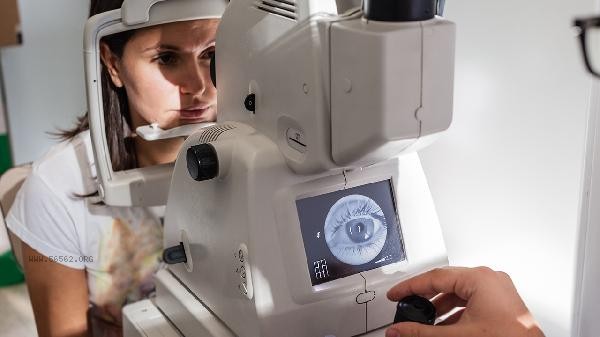
It is recommended to undergo 1-2 professional vision tests per year, including optometry, intraocular pressure measurement, fundus examination, and other items. Teenagers should establish visual acuity records and monitor changes in refractive status. Middle aged and elderly people need to pay attention to early signs of age-related eye diseases such as presbyopia and cataracts. Diabetes patients need to check their fundus every six months.
5. Medical Intervention
After being diagnosed with myopia, frame glasses or contact lenses can be fitted to correct vision. For those over 18 years old with stable degree, laser surgery is considered. Pathological myopia requires prevention and control of retinal lesions. Cataract patients can undergo phacoemulsification surgery after maturity. Glaucoma requires lifelong medication to control intraocular pressure, and surgical treatment may be necessary.

Pay attention to eye hygiene in daily life and avoid rubbing your eyes to prevent infection. Maintain appropriate humidity in the work environment and use artificial tears if necessary to alleviate dry eyes. Ensuring sufficient sleep for 7-8 hours a day can help relax the ciliary muscle. Quit smoking and limit alcohol consumption. Harmful substances in tobacco can damage the optic nerve. Maintaining a happy mood, long-term mental stress may lead to elevated intraocular pressure. If symptoms such as sudden vision loss or visual distortion occur, seek medical attention immediately.







Comments (0)
Leave a Comment
No comments yet
Be the first to share your thoughts!