
The presence of lice on hair can be determined by observing the body, eggs, and itching symptoms, mainly including visible lice or lice eggs, abnormal itching on the scalp, white attachments at the roots of hair, red rashes or infections after scratching, and similar symptoms in family members or close contacts at the same time.
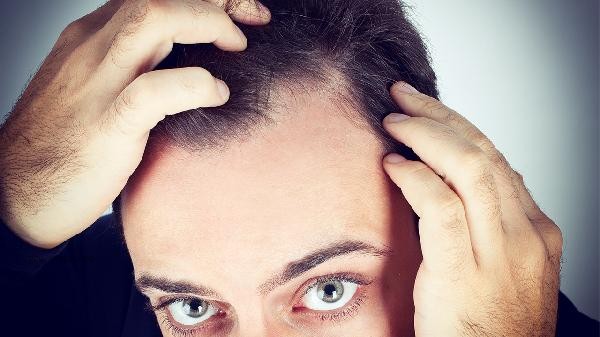
1. Visible lice or lice eggs
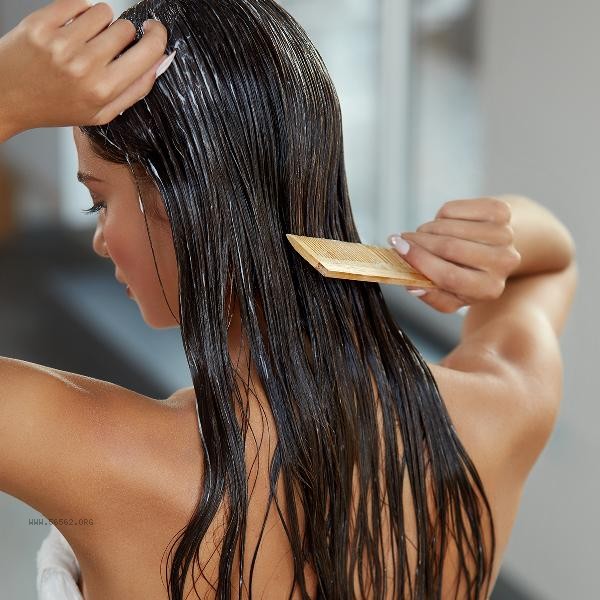
Head lice adults are about 2-3 millimeters long, gray white or brown in color, and often attach to hair roots. Lice eggs, commonly known as nits, are oval white particles that tightly adhere to hair and are within 1 centimeter of the scalp. When using a fine toothed comb to comb wet hair, lice and lice eggs may be combed out and fall on white tissues, making them easier to identify.
2. Abnormal itching on the scalp
Head lice can secrete saliva when bitten, causing allergic reactions and persistent itching, especially at night. Itching is mostly concentrated behind the ears, neck, and around the hairline. Children may experience sleep disturbances due to frequent scratching, but it is important to note that skin diseases such as seborrheic dermatitis and psoriasis may also cause similar symptoms. The difference between lice eggs and ordinary dandruff lies in their firmness. Lice eggs need to be rubbed hard on the hair to fall off, while dandruff can fall off with a light touch. The empty shell left by the hatching of lice eggs is semi transparent and still adheres to the hair, gradually moving away from the scalp as the hair grows.
4. Red rash or infection after scratching
Long term scratching may lead to red papules, scratches, or secondary bacterial infections on the scalp, forming pustules and swollen lymph nodes. Severe cases can cause pyoderma or local eczema like changes, in which case medical treatment for anti infection is necessary.
5. Close contacts infected with
head lice at the same time can be transmitted through direct contact. If family members, classmates, or close contacts experience itching symptoms at the same time, collective onset is an important criterion for judgment. Sharing items such as combs, hats, pillows, etc. may increase the probability of transmission.
After discovering head lice, a specialized lice killing comb should be used to comb wet hair daily, combined with lice killing detergent containing pyrethroids or malathion. All clothing and bedding that have been in contact with should be washed with hot water at 60 ℃ or above and dried at high temperature. Items that cannot be washed with water can be sealed and stored for two weeks. Avoid sharing toiletries, and schools or collective environments should carry out prevention and control measures simultaneously. If secondary infection or symptoms persist, it is recommended to seek medical attention from a dermatologist.



Comments (0)
Leave a Comment
No comments yet
Be the first to share your thoughts!