
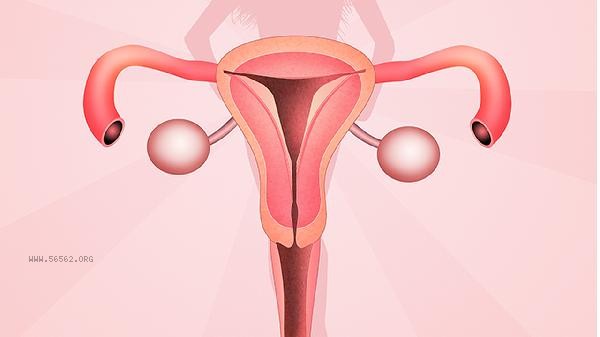
Polycystic ovary syndrome usually refers to polycystic ovary syndrome, which is mainly judged by ultrasound examination, six tests of sex hormones, and clinical symptoms. The diagnosis of this disease requires a combination of multiple examination results. The specific examination methods mainly include ultrasound examination, six item sex hormone examination, anti Mullerian hormone examination, blood glucose and lipid examination, and physical examination.

1. Ultrasound examination:
Ultrasound examination is one of the core methods for diagnosing polycystic ovary syndrome. Doctors will observe the morphology of the ovaries through vaginal ultrasound or abdominal ultrasound. The typical manifestation is an increase in ovarian volume, with more than 12 small follicles with a diameter of 2-9 millimeters visible in one or both ovaries, or an ovarian volume greater than 10 milliliters, presenting a "necklace sign" or "honeycomb like" change. This examination is non-invasive and intuitive, and can directly detect polycystic changes in the ovaries. It is recommended to avoid the menstrual period during the examination, usually within 3-7 days after the end of menstruation, for more accurate results.
2. Six item examination of sex hormones:
The six item examination of sex hormones is the key to evaluating endocrine status. The examination usually requires fasting blood drawn in the early morning of the 2nd to 4th day of the menstrual cycle. Patients with polycystic ovary syndrome often present with a ratio of luteinizing hormone to follicle stimulating hormone greater than 2-3, and may also have elevated levels of testosterone, such as testosterone exceeding the normal range. This examination can reflect the dysfunction of the hypothalamic pituitary ovarian axis and is an important basis for diagnosing hyperandrogenism. If the patient has no menstrual period for a long time, blood can be drawn at any time, but it needs to be judged comprehensively based on other indicators.
3. Anti Mullerian hormone test:
Anti Mullerian hormone test can evaluate ovarian reserve function. Patients with polycystic ovary syndrome have significantly increased levels of anti Mullerian hormone secreted by ovarian granulosa cells due to an increase in the number of small follicles, usually above the upper limit of the normal range. This examination is not affected by the menstrual cycle and can be performed at any time. It has high specificity for assisting in the diagnosis of polycystic ovary syndrome, especially for cases where ultrasound examination is atypical or cannot provide a clear diagnosis. 4. Blood glucose and lipid testing: Polycystic ovary syndrome is often accompanied by metabolic abnormalities, therefore fasting blood glucose, oral glucose tolerance test, and lipid testing are necessary. About half of the patients have insulin resistance, manifested as elevated fasting insulin levels or abnormal glucose tolerance. Blood lipid examination may reveal an increase in triglycerides and a decrease in high-density lipoprotein cholesterol. These tests help assess the metabolic risk of patients and provide a basis for subsequent treatment, such as whether drugs such as metformin tablets and pioglitazone tablets are needed to improve insulin resistance.

5. Physical examination:
Physical examination is the fundamental step in diagnosis. Doctors will measure height, weight, and calculate body mass index to assess whether there is overweight or obesity. Simultaneously observe whether there are high hormone skin manifestations such as hirsutism, acne, hair loss, and keratosis nigra. Blood pressure measurement will also be performed, as patients with polycystic ovary syndrome have an increased risk of hypertension. Although these signs are not specific, combining them with other examination results can improve the accuracy of diagnosis. If there is suspicion of polycystic ovary syndrome, it is recommended to seek medical attention promptly at a gynecology or endocrinology department to complete the above examinations. Maintaining a regular daily routine, controlling weight, avoiding high sugar and high-fat diets, and increasing exercise such as jogging or swimming can help improve endocrine and metabolic conditions. After diagnosis, it is necessary to follow medical advice for long-term management and not self medicate.








Comments (0)
Leave a Comment
No comments yet
Be the first to share your thoughts!