
Esophageal cancer can usually be diagnosed through endoscopic examination, imaging examination, pathological examination, and other methods. These examination methods each have their own focus, which can help doctors clarify the location, size, depth of invasion, and whether metastasis has occurred of the tumor.
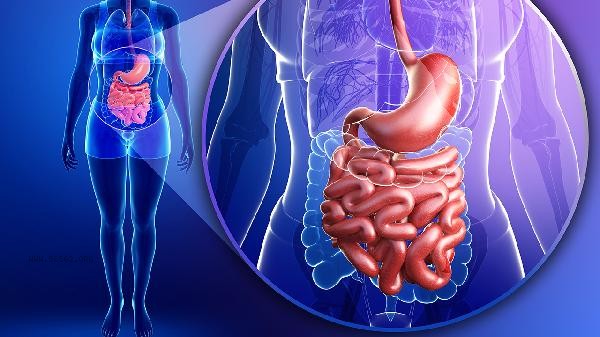
1. Endoscopy:
Endoscopy is the most direct and accurate method for diagnosing esophageal cancer, mainly including ordinary electronic gastroscopy and chromoendoscopy. The doctor will insert a slender hose with a camera into the esophagus through the mouth to directly observe the morphology of the esophageal mucosa and detect suspicious lesions. For early esophageal cancer, chromoendoscopy can display the lesion area more clearly and improve the detection rate by spraying special dyes for staining. During the examination, doctors can perform biopsies on suspicious tissues, which is the gold standard for diagnosing esophageal cancer.
2. Imaging examination:
Imaging examination is mainly used to evaluate the depth of tumor invasion and the presence of distant metastasis. Common methods include esophageal barium meal imaging, chest enhanced CT, neck and abdominal ultrasound, magnetic resonance imaging, and positron emission tomography. Esophageal barium meal imaging can display morphological changes such as narrowing and filling defects in the esophageal lumen; CT and MRI can clearly display the relationship between tumors and surrounding organs; PET-CT has a high sensitivity for detecting distant metastases and is crucial for developing treatment plans.
3. Pathological examination:
Pathological examination is the ultimate basis for diagnosing esophageal cancer. Through endoscopic biopsy or surgical resection of specimens, pathologists observe cell morphology under a microscope to determine the benign or malignant nature of tumors, histological types such as squamous cell carcinoma or adenocarcinoma, and differentiation degree. Immunohistochemical staining can further detect the expression of specific proteins, helping to determine the biological behavior and prognosis of tumors, and providing a basis for targeted therapy and immunotherapy.
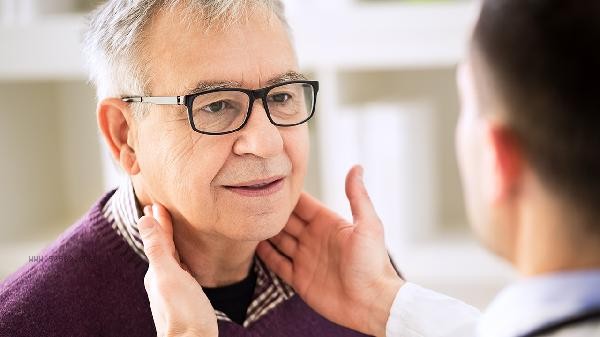
4. Tumor marker examination:
Tumor marker examination can be used as an auxiliary screening and efficacy monitoring tool. By testing for indicators such as carcinoembryonic antigen and squamous cell carcinoma associated antigen through blood sampling, some esophageal cancer patients may experience elevated levels of these markers. However, the sensitivity and specificity of single detection of tumor markers are limited and cannot be used alone for diagnosis. It is usually used in combination with imaging and endoscopic examination to evaluate treatment efficacy and monitor recurrence.
5. Endoscopic ultrasound examination:
Endoscopic ultrasound is a technique that combines an ultrasound probe with an endoscope, which can clearly display the various layers of the esophageal wall structure and surrounding lymph nodes. It can accurately determine the depth of tumor invasion, distinguish whether the tumor is limited to the mucosal layer or submucosal layer, which is of decisive significance for the suitability of endoscopic resection for early esophageal cancer. At the same time, endoscopic ultrasound can also guide fine needle aspiration biopsy to obtain tissue samples of suspicious lymph nodes and clarify the presence of lymph node metastasis.

It is recommended that individuals with suspected symptoms such as difficulty swallowing, discomfort behind the sternum, and weight loss, or those who are at high risk of esophageal cancer such as long-term smoking and drinking, have a family history of esophageal cancer, or live in areas with high incidence of esophageal cancer, seek timely medical attention from gastroenterology or thoracic surgery. Doctors will choose the most suitable examination plan based on the specific situation. Early detection, diagnosis, and treatment are the key to improving the cure rate of esophageal cancer. Pay attention to quitting smoking and limiting alcohol consumption in daily life, avoid foods that are too hot, too hard, or pickled, and eat more fresh vegetables and fruits, which can help reduce the risk of esophageal cancer.








Comments (0)
Leave a Comment
No comments yet
Be the first to share your thoughts!