
White acne on the face usually refers to whitehead acne, which can be treated by cleansing the skin, applying medication, adjusting diet, avoiding squeezing, seeking medical treatment, and other methods. Whitehead acne may be related to factors such as excessive sebum secretion, abnormal keratinization of hair follicles, bacterial infections, dietary stimulation, and disrupted sleep patterns.
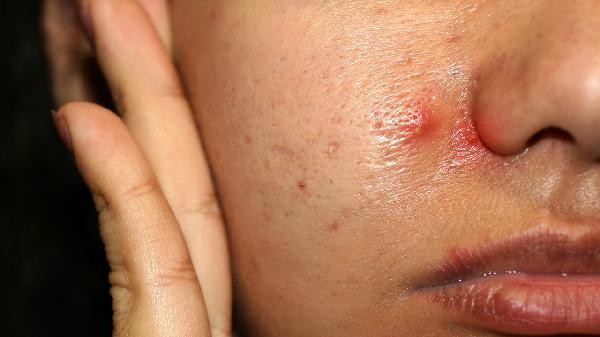
1. Clean the skin
Use a mild amino acid cleanser to clean the face daily, with water temperature controlled close to body temperature. Avoid using facial cleansers containing soap or strong oil removing ingredients, and clean them no more than twice a day. After cleaning, use alcohol free moisturizing products in a timely manner to maintain the skin's water oil balance. For oily skin, use the cleaning facial mask containing salicylic acid or fruit acid 1-2 times a week.
2. External drugs
Under the guidance of doctors, adapalene gel, clindamycin phosphate gel or benzoyl peroxide gel can be used. Adapalene gel can improve the keratinization of hair follicles, clindamycin phosphate gel can target Propionibacterium acnes, and benzoyl peroxide gel has acne dissolving and antibacterial effects. Before use, a small-scale test of skin tolerance is required, and slight peeling may occur in the early stages, which is a normal phenomenon.
3. Adjust diet
Reduce intake of high sugar and high-fat foods, such as milk tea, cakes, fried foods, etc. Ensure sufficient water intake daily, increase intake of foods rich in vitamin A such as carrots and spinach, and foods rich in zinc such as oysters and pumpkin seeds. Dairy products may stimulate sebum secretion. It is recommended to temporarily limit milk intake and use sugar free soybean milk or oat milk instead.
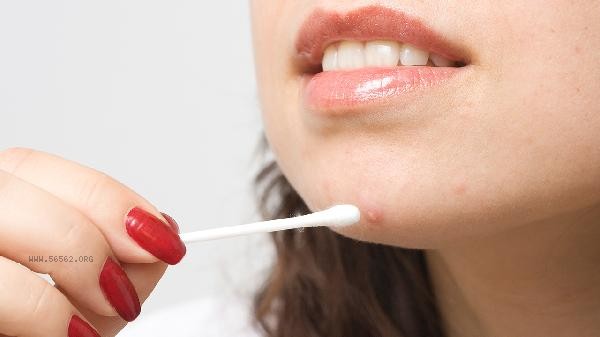
4. Avoid squeezing
Self squeezing may cause inflammation to spread, leaving acne marks or pits. If the acne has suppuration, it needs to be treated by professional medical staff in a disinfected environment. Daily application of tea tree essential oil or medical iodine swabs can be used to disinfect red and swollen acne spots. Thoroughly clean hands before touching the face to avoid secondary bacterial infections.
5. Medical treatment
If acne recurs or is accompanied by obvious inflammation, it is necessary to seek medical attention at a dermatologist. Doctors may prescribe oral medications such as doxycycline capsules and isotretinoin soft capsules based on the situation. For moderate to severe acne, red and blue light therapy or chemical peels can be used. Female patients with menstrual disorders should be screened for endocrine disorders such as polycystic ovary syndrome.
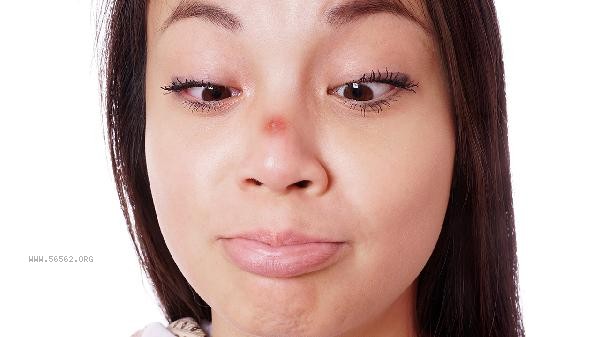
Maintain a regular schedule, ensure 7-8 hours of sleep every day, and avoid staying up late to worsen endocrine disorders. Choose sunscreen products labeled with non acne causing formulas to prevent UV stimulation from exacerbating pigmentation. Replace pillowcases weekly and disinfect towels regularly to reduce bacterial growth. Clean sweat promptly after exercise, but avoid excessive cleaning that can damage the skin barrier. If the acne persists without improvement or is accompanied by symptoms such as pain and fever, it is necessary to promptly review and adjust the treatment plan.





Comments (0)
Leave a Comment
No comments yet
Be the first to share your thoughts!