
Psychological anxiety can be alleviated through lifestyle adjustments, psychological counseling, medication therapy, physical therapy, social support, and other methods. Psychological anxiety is usually caused by genetic factors, environmental stress, personality traits, physical illnesses, neurotransmitter imbalances, and other reasons.
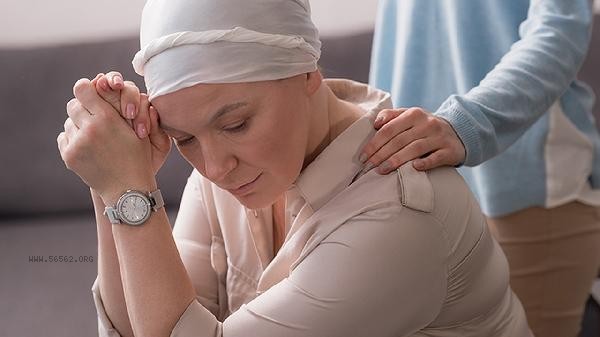
1. Adjusting lifestyle
Maintaining a regular sleep schedule can help stabilize emotions. It is recommended to set a fixed sleep time every day and avoid staying up late. Moderate exercise can promote the secretion of endorphins, with 3-5 aerobic exercises per week such as brisk walking or swimming. Limit caffeine and alcohol intake, with no more than 2 cups of coffee per day. Try practicing mindfulness meditation to relieve tension by focusing on breathing.
2. Psychological Counseling
Cognitive behavioral therapy can help identify and change negative thinking patterns, typically requiring 8-12 consultations. Psychoanalytic therapy is suitable for exploring anxiety caused by subconscious conflicts. Group therapy can provide peer support and alleviate feelings of loneliness. Emotional release may occur during the counseling process, which is a normal therapeutic response.
3. Drug therapy
Selective serotonin reuptake inhibitors such as paroxetine hydrochloride tablets are suitable for long-term anxiety management. Benzodiazepines such as lorazepam tablets are used for acute exacerbation relief. Tricyclic antidepressants such as amitriptyline hydrochloride tablets are effective in treating accompanying physical symptoms. During medication, side effects such as dry mouth and dizziness may occur, and regular follow-up visits are needed to evaluate the efficacy.

4. Physical therapy
Transcranial magnetic stimulation regulates cortical excitability through magnetic fields, treated 2-3 times a week. Biofeedback training helps to learn and control autonomic nervous responses, requiring 10-15 courses of treatment. Acupuncture and moxibustion can regulate the movement of qi and blood by selecting Baihui, Neiguan and other acupoints for treatment. Phototherapy is suitable for anxiety associated with seasonal mood disorders.
5. Social Support
Join a mutual aid group for anxiety patients to share coping experiences and alleviate feelings of shame. Communicate needs openly with family and friends, and establish an emotional support network. The workplace can apply for reasonable work adjustments, such as flexible working hours. Participate in volunteer service to shift attention and enhance self-worth.

It is recommended to record emotional changes daily and identify anxiety triggers. Pay attention to supplementing deep-sea fish and nuts rich in omega-3 fatty acids in diet, and avoid high sugar foods that can cause blood sugar fluctuations. Maintain moderate social activity without excessive energy consumption and learn progressive muscle relaxation techniques. If there are persistent palpitations, insomnia, or avoidance behaviors, it is necessary to seek timely medical attention at a psychiatric department. Long term anxiety may affect immune function and cardiovascular health, and a systematic health management plan needs to be established.




Comments (0)
Leave a Comment
No comments yet
Be the first to share your thoughts!