
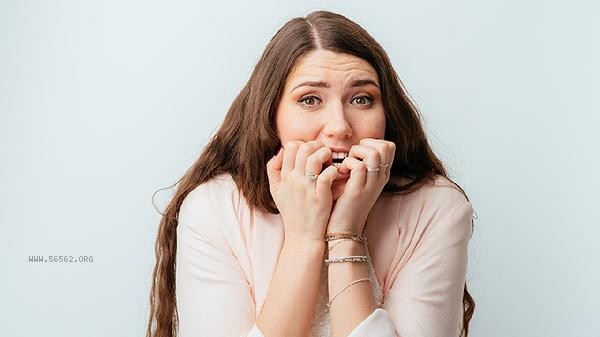
Mental tension and anxiety can be alleviated by adjusting lifestyle, psychological counseling, relaxation training, following medical advice, and social support, which can help to prevent wild thoughts. Mental stress and anxiety may be related to genetic factors, long-term stress, neurotransmitter imbalances, thyroid dysfunction, depression, and other factors.

1. Adjust your lifestyle
Maintain a regular sleep routine, limit your sleep time to 7-9 hours per day, and avoid staying up late. Reduce the intake of stimulating beverages such as coffee and strong tea in diet, and increase the intake of whole grains and dark green vegetables rich in B vitamins. Engaging in 30 minutes of moderate intensity exercise daily, such as brisk walking or swimming, can help promote the secretion of endorphins.
2. Psychological counseling
Cognitive behavioral therapy can help identify and change negative thinking patterns. It is recommended to have 1-2 professional psychological counseling sessions per week. Writing an emotional diary to record events and corresponding thoughts that trigger anxiety, cultivating self-awareness. Mindfulness meditation can reduce recurrent invasive thinking through focused breathing training.
3. Relaxation Training
Progressive muscle relaxation method involves contracting and relaxing muscle groups from head to toe, practicing for 15-20 minutes every day. Abdominal breathing training adopts the 4-7-8 breathing method, inhaling for 4 seconds, holding for 7 seconds, and exhaling for 8 seconds. Biofeedback therapy utilizes equipment to visualize physiological indicators, helping to learn autonomous control of heart rate variability.
4. Follow medical advice for medication
Selective serotonin reuptake inhibitors such as paroxetine hydrochloride tablets are suitable for generalized anxiety disorder, while sertraline tablets are effective for anxiety accompanied by obsessive-compulsive symptoms. Benzodiazepines such as lorazepam tablets can provide short-term relief from acute attacks, while buspirone tablets are non sedatives and anti anxiety drugs. Medication must strictly follow the guidance of a psychiatrist.
5. Social Support
Participate in mutual aid groups for anxiety patients to share coping experiences and reduce shame. Set up regular times with family and friends to confide and establish a safe channel for emotional release. Keeping pets can increase oxytocin levels by petting them, and dog companionship can also supervise daily activities.

If the anxiety state persists for more than two weeks, it is recommended to seek treatment at a psychiatric department and complete assessments such as the Hamilton Anxiety Scale. Daily emergency cards can be made to record first aid contacts and relaxation steps, and lavender essential oil can be placed at the bedside to help fall asleep. Avoid excessive reliance on online self-test tools and maintain monthly follow-up communication with attending physicians to adjust intervention plans.




Comments (0)
Leave a Comment
No comments yet
Be the first to share your thoughts!