
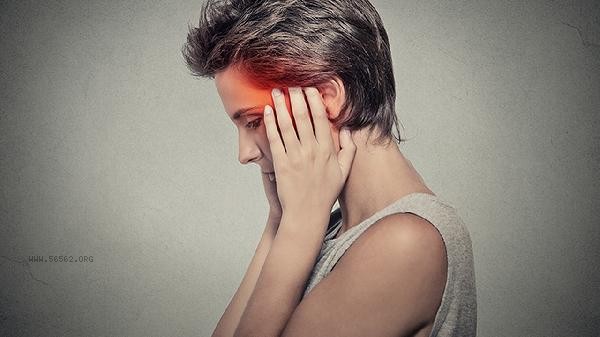
The physical symptoms of anxiety can be alleviated through psychological therapy, medication, exercise regulation, respiratory training, social support, and other methods. The somatic symptoms of anxiety are usually caused by long-term stress, neurotransmitter imbalances, autonomic nervous system disorders, traumatic experiences, chronic diseases, and other factors.
1. Psychotherapy
Cognitive behavioral therapy can help identify and change negative thinking patterns, reducing the amplification effect of physical symptoms. Exposure therapy is suitable for physical reactions triggered by specific contexts, reducing sensitivity through gradual adaptation. Mindfulness therapy can enhance the ability to accept bodily sensations and alleviate the vicious cycle caused by excessive attention to symptoms. Group therapy provides emotional resonance and experience sharing to alleviate physical discomfort exacerbated by isolation. Art therapy is suitable for individuals with expressive disorders to release emotional stress through nonverbal means.
2. Drug therapy
Selective serotonin reuptake inhibitors such as paroxetine can regulate mood related physical responses. Benzodiazepine drugs such as lorazepam can temporarily relieve muscle tension and palpitations in acute attacks. Beta blockers such as propranolol are suitable for sympathetic nervous system overexcitement symptoms such as palpitations and hand tremors. Tricyclic antidepressants such as amitriptyline are effective in treating anxiety associated with chronic pain. Traditional Chinese medicine preparations such as Wuling capsules improve physical symptoms of heart and spleen deficiency through multi-target action.
3. Exercise regulation
Regular aerobic exercise such as brisk walking can promote the secretion of endorphins, relieve muscle tension and headaches. Yoga combined with breathing exercises can improve gastrointestinal discomfort caused by autonomic nervous system dysfunction. Swimming and other water sports reduce body heaviness through fluid pressure. The slow movements of Tai Chi can reduce sensitivity to abnormal bodily sensations. Team ball games have both social attributes and distract excessive attention from symptoms.

4. Respiratory training
Abdominal breathing method suppresses sympathetic nervous system excitement by prolonging the expiratory phase. The 4-7-8 breathing technique can quickly alleviate the feeling of suffocation during acute attacks. Box breathing stabilizes heart rate fluctuations through regular rhythms. Meditation breathing helps establish a connection between body and mind, reducing unexplained stabbing sensations. Daily respiratory monitoring can provide early warning of limb numbness caused by excessive ventilation.
5. Social support
The family support system can reduce the tendency of repeated medical treatment caused by suspected illness. Peer support groups provide symptom normalization cognition and alleviate shame. Pet companionship alleviates non-specific pain through tactile stimulation. Community activities create a sense of value and shift attention away from physical discomfort. Professional hotline services can provide immediate emotional counseling when symptoms worsen at night. Establishing a regular sleep rhythm can help stabilize autonomic nervous system function, avoiding exposure to blue light and intense thinking two hours before bedtime. Increase magnesium rich foods such as dark green vegetables in diet, reduce caffeine and refined sugar intake to prevent worsening of blood sugar fluctuations and symptoms. Soaking feet in warm water or applying hot compress to the neck and shoulders can relieve muscle tension, and performing a ten minute body scan exercise daily can enhance perceptual ability. Symptom diary recording can help identify triggering factors, but excessive self-monitoring should be avoided. When symptoms continue to affect daily functioning, it is necessary to seek professional evaluation from a psychiatric or psychosomatic medicine department in a timely manner.





Comments (0)
Leave a Comment
No comments yet
Be the first to share your thoughts!