
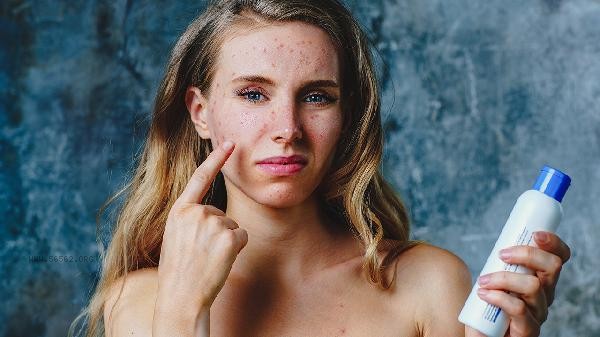
Dirty faces can be improved through cleaning, exfoliating, moisturizing, sun protection, and dietary adjustments. Surface dirt on the skin may be caused by factors such as oil secretion, dust accumulation, residual cosmetics, or abnormal keratin metabolism, and should be treated according to specific causes.

1. Cleaning
Use a mild amino acid facial cleanser in the morning and evening to clean the face, avoiding the use of soap based or strongly alkaline products. Oily skin can choose an oil controlling cleanser, while dry skin is recommended to use a moisturizing one. When cleaning, gently massage in circular motions with fingertips. The water temperature should be close to body temperature, as excessive cleaning may damage the skin barrier.
2. Exfoliation
Use chemical exfoliating products containing lactic acid or salicylic acid 1-2 times a week to help dissolve old dead skin cells. Physical exfoliating cream should be selected with fine particles, and the frequency of use should be reduced for sensitive skin. After exfoliating, it is necessary to strengthen moisturizing and avoid exposure to sunlight. A thin stratum corneum may cause redness and sensitivity.
3. Moisturizing
Immediately after cleaning, use a moisturizing lotion containing ceramide or hyaluronic acid to lock water and repair the sebum membrane. In autumn and winter, face cream can be superimposed, and oil free formula can be selected for oil acne skin. Long term dehydration may lead to the accumulation of keratin, making the skin appear dull and rough.

4. Sunscreen
Ultraviolet rays can accelerate abnormal thickening of the stratum corneum. Apply broad-spectrum sunscreen with SPF30 or above 30 minutes before going out every day, and reapply every 2-3 hours. Even on cloudy days, protection is necessary as UVA in ultraviolet radiation can penetrate through clouds. Photoaging can lead to skin texture disorder and pigment deposition.
5. Dietary regulation
Increase the intake of citrus fruits and dark vegetables rich in vitamin C to aid in antioxidant activity. Moderate supplementation of vitamin E in nuts and omega-3 fatty acids in deep-sea fish can reduce sebum oxidation. Drink no less than 1500 milliliters of water per day, as dehydration may slow down keratin metabolism. Maintaining a regular schedule and moderate exercise can help regulate sebum secretion, avoid staying up late, and prevent high stress. Pillows need to be replaced weekly, and makeup tools should be cleaned regularly. If there is persistent acne, erythema, or flaking, it may be accompanied by seborrheic dermatitis or rosacea, and it is recommended to seek medical attention at a dermatologist in a timely manner. Avoid frequent touching of the face with your hands in daily life, clean it promptly after going out, and wear a protective mask when the air quality is poor.







Comments (0)
Leave a Comment
No comments yet
Be the first to share your thoughts!