
When suspecting esophageal cancer, it is recommended to prioritize gastroscopy examination. The main examination methods for esophageal cancer include gastroscopy, esophageal barium meal imaging, chest CT, endoscopic ultrasound, pathological biopsy, etc.
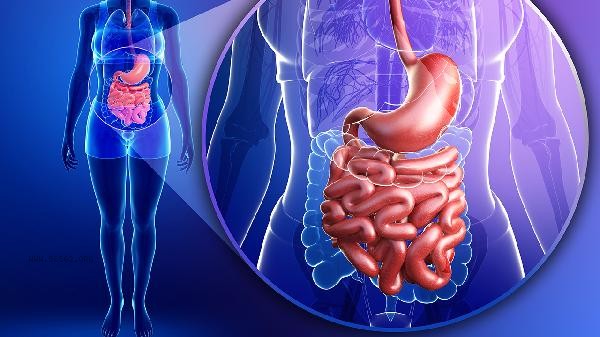
1. Gastroscopy:
Gastroscopy is the most direct and accurate method for diagnosing esophageal cancer. Doctors can directly observe the shape, color, and presence of abnormalities such as bumps or ulcers of the esophageal mucosa by entering the esophagus through a hose with a camera. If suspicious lesions are found, gastroscopy can also take a small piece of tissue for pathological examination, which is the gold standard for diagnosing esophageal cancer. Before the examination, it is usually necessary to fast and avoid water for 6-8 hours to reduce the impact of stomach contents on observation.
2. Esophageal Barium Meal Imaging:
Esophageal barium meal imaging is an X-ray examination in which patients need to swallow a contrast agent called barium sulfate to observe the contour and peristalsis of the esophagus under X-ray. If there is a tumor in the esophagus, the contrast agent may show signs such as filling defects, wall stiffness, or luminal stenosis when passing through. This method is more sensitive to detecting advanced esophageal cancer, but its detection rate for early mucosal lesions is not as good as gastroscopy, and tissue cannot be taken for pathology. It is usually used as an alternative for preliminary screening or for those who cannot tolerate gastroscopy.
3. Chest CT:
Chest CT is mainly used to evaluate the depth of invasion and the presence of distant metastasis in esophageal cancer. It can clearly display the thickness of the esophageal wall, the relationship between the tumor and surrounding large blood vessels, trachea, heart and other organs, as well as the presence or absence of mediastinal lymph node enlargement. CT can also be used to check for the presence of metastases in the lungs, liver, and other areas, assisting doctors in clinical staging and developing subsequent treatment plans. During the examination, the patient needs to lie flat, and the scanning time usually only takes a few minutes.

4. Endoscopic ultrasound:
Endoscopic ultrasound is a type of ultrasound probe installed at the front end of the gastroscope, which can observe the surface of the esophageal mucosa and detect the various layers of the esophageal wall structure and surrounding lymph nodes. For determining which layer of tumor invasion (mucosal layer, submucosal layer, muscular layer or outer membrane) and whether there is lymph node metastasis, endoscopic ultrasonography is more accurate than conventional gastroscopy and CT. This examination helps determine the TNM staging of the tumor and guides the selection of treatment options such as endoscopic resection, surgery, or radiotherapy and chemotherapy.
5. Pathological biopsy:
Pathological biopsy is the ultimate basis for diagnosing esophageal cancer. Tissue samples taken through gastroscopy are observed for cell morphology under a microscope to determine whether they are cancer cells and specific types, such as squamous cell carcinoma or adenocarcinoma. Pathological reports also provide information on tumor differentiation and the presence of vascular invasion, which is crucial for prognosis and treatment selection. The biopsy process usually does not cause significant pain, but there may be slight discomfort or slight bleeding in the throat after surgery, which can generally be relieved on its own.

It is recommended that individuals with symptoms such as difficulty swallowing, discomfort behind the sternum, weight loss, or a family history of esophageal cancer, as well as high-risk factors such as long-term smoking and alcohol consumption, seek medical attention promptly for gastroscopy examination. Daily attention should be paid to avoiding excessively hot foods, reducing the intake of pickled foods, quitting smoking and limiting alcohol consumption, which can help reduce the risk of esophageal cancer. After diagnosis, one should actively cooperate with the doctor and choose a comprehensive plan such as endoscopic treatment, surgery, radiation therapy, or chemotherapy according to the stage. Early esophageal cancer has a higher cure rate.








Comments (0)
Leave a Comment
No comments yet
Be the first to share your thoughts!