
Pediatric erythema multiforme needs to be diagnosed through clinical observation, laboratory examination, skin biopsy, and other methods. Typical manifestations include target erythema, mucosal damage, etc. Laboratory tests include blood routine, C-reactive protein testing, and skin pathology examination if necessary.
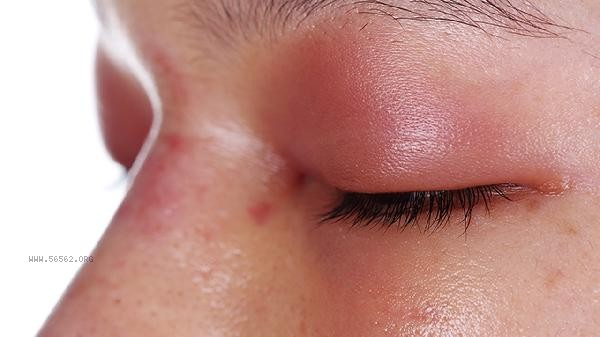
Clinical observation is the primary step in diagnosis, and doctors will focus on examining the morphology and distribution of skin erythema. The typical target erythema is dark purple in the center with surrounding circular edematous erythema, which is more common in the extremities and face. Mucosal damage is common in the oral cavity, reproductive organs, and other areas, manifested as erosion or blisters. In laboratory tests, blood routine can assist in determining infection or allergic factors. An increase in white blood cell count suggests the possibility of bacterial infection, while an increase in eosinophils may be related to allergies. C-reactive protein testing helps evaluate the degree of inflammation, and an increase in the value often reflects disease activity. Skin biopsy is suitable for atypical cases, characterized by necrosis of epidermal keratinocytes and infiltration of lymphocytes around superficial blood vessels in the dermis, and can be distinguished from other skin diseases. After diagnosis, it is necessary to keep the skin clean and dry, avoid scratching the affected area, and wear loose cotton clothing to reduce friction. The diet should be light and easy to digest, supplemented with vegetables and fruits rich in vitamin C such as broccoli and kiwifruit, and avoid allergenic foods such as seafood. During the acute phase, it is necessary to restrict activities, closely monitor body temperature and changes in skin lesions. If high fever or extensive mucosal erosion occurs, timely follow-up should be sought. During the recovery period, gentle moisturizers can be used according to medical advice, and sun protection measures should be taken when going out. Parents should record the medication reactions and symptom changes of their children, and regularly follow up to evaluate the treatment effect.








Comments (0)
Leave a Comment
No comments yet
Be the first to share your thoughts!