
The diagnosis of hypertension is mainly confirmed through standardized measurement of blood pressure and necessary auxiliary examinations, including clinic blood pressure measurement, home blood pressure monitoring, dynamic blood pressure monitoring, blood and urine tests, as well as electrocardiogram and imaging examinations.

1. Room blood pressure measurement:
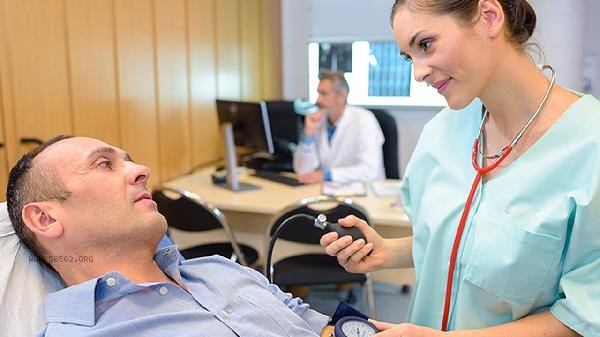
This is the basic method for diagnosing hypertension, which is measured by medical staff in the clinic using a calibrated mercury column or electronic blood pressure monitor. Before measurement, sit still for at least 5 minutes, and smoking, drinking coffee or tea are prohibited within 30 minutes. Usually, three non same day measurements are required, with systolic blood pressure greater than or equal to 140 mmHg or diastolic blood pressure greater than or equal to 90 mmHg, to preliminarily consider the diagnosis of hypertension. The results of this method are reliable, but it may lead to white coat hypertension due to nervousness, where the measured values in the clinic are higher than the actual level.
2. Home blood pressure monitoring:
Patients can use certified upper arm electronic blood pressure monitors to measure their blood pressure at home, which can effectively avoid the white coat effect and reflect the true blood pressure level in daily life. It is recommended to measure once in the morning and once in the evening, after urination and before taking medication in the morning, and before bedtime in the evening. Monitor continuously for 7 days and take the average of the last 6 days as a reference. The normal value standard for home blood pressure monitoring is lower than the blood pressure in the clinic. If the systolic blood pressure is greater than or equal to 135 mmHg or the diastolic blood pressure is greater than or equal to 85 mmHg, diagnosis can be considered.
3. Dynamic blood pressure monitoring:
Patients wear a portable blood pressure recorder that automatically measures blood pressure at regular intervals within 24 hours, usually every 15 to 30 minutes during the day and every 30 to 60 minutes at night. This method can comprehensively evaluate the fluctuation of blood pressure throughout the day, identify hidden hypertension or white coat hypertension, and also determine whether blood pressure drops normally at night. The diagnostic criteria for dynamic blood pressure are 24-hour average systolic blood pressure greater than or equal to 130 mmHg or diastolic blood pressure greater than or equal to 80 mmHg, and daytime average systolic blood pressure greater than or equal to 135 mmHg or diastolic blood pressure greater than or equal to 85 mmHg.
4. Blood examination and urine examination:
Blood examination mainly includes blood routine examination, renal function, blood sugar, blood lipids and electrolytes, which are used to evaluate whether hypertension causes damage to the kidney, and whether it is associated with metabolic abnormalities such as diabetes or hyperlipidemia. Urine examination includes urine routine and urinary microalbumin excretion rate, which can detect the presence of protein in urine, which is an important indicator of early kidney injury. These tests help determine whether the cause of hypertension is secondary, such as renal parenchymal disease or renal artery stenosis.
5. Electrocardiogram and Imaging Examination:
Electrocardiogram can detect whether hypertension has caused changes in cardiac structure or electrical activity, such as left ventricular hypertrophy or arrhythmia. Echocardiography can more accurately evaluate the structure and function of the heart, observe ventricular wall thickness and heart pumping ability. Renal ultrasound or renal artery ultrasound can help exclude secondary causes of hypertension such as renal artery stenosis. For patients with refractory or suspected secondary causes, further adrenal CT or magnetic resonance imaging may be necessary. After discovering an increase in blood pressure, it is recommended to seek medical attention promptly, and the doctor should choose the appropriate combination of examinations based on the specific situation. A low salt diet should be maintained in daily life, with a daily salt intake of less than 5 grams. Regular moderate intensity aerobic exercise, such as brisk walking or swimming, should be carried out at least 5 times a week for 30 minutes each time. Smoking cessation, alcohol restriction, weight control, and maintaining emotional stability are measures that contribute to long-term stable management of blood pressure.









Comments (0)
Leave a Comment
No comments yet
Be the first to share your thoughts!