
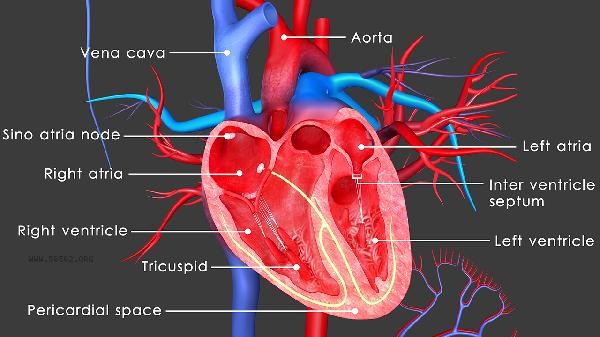
Cardiac enlargement can be diagnosed through physical examination, imaging examination, laboratory testing, electrocardiogram examination, cardiac function assessment, and other methods. Cardiac enlargement may be related to factors such as cardiomyopathy, hypertensive heart disease, heart valve disease, etc., usually manifested as symptoms such as difficulty breathing and lower limb edema.
1. Physical examination
Doctors can detect abnormal heart sounds or heart murmurs through a stethoscope, and percussion can determine the enlargement of the voiced boundary of the heart. Positive palpation of jugular vein distension and hepatic jugular vein reflux suggests right heart dysfunction. Lower limb depressed edema is a typical manifestation of systemic congestion.
2. Imaging examination
Chest X-ray can visually display the enlargement of the heart shadow and pulmonary congestion. Echocardiography can accurately measure the size of each cardiac chamber, wall thickness, and ejection fraction, and is the gold standard for diagnosing cardiomyopathy and valve disease. Cardiac MRI can clearly display subtle structural changes such as myocardial fibrosis.
3. Laboratory examination
B-type natriuretic peptide testing helps distinguish between cardiogenic and non cardiogenic respiratory distress. Elevated troponin levels indicate myocardial injury. Blood routine can detect secondary factors such as infection or anemia. Abnormal liver function may reflect liver damage caused by long-term venous congestion.
4. Electrocardiogram examination
Electrocardiogram can display ST-T changes, conduction block, or arrhythmia in left ventricular hypertrophy and strain. Pathological Q waves indicate old myocardial infarction. Dynamic electrocardiogram can capture intermittent arrhythmias such as paroxysmal atrial fibrillation.
5. Cardiac function assessment
6-minute walking test quantifies the patient's exercise tolerance. The cardiopulmonary exercise test objectively evaluates the grading of cardiac function by monitoring the peak oxygen consumption during exercise. Right heart catheterization can directly measure hemodynamic parameters such as pulmonary artery wedge pressure. After being diagnosed with heart enlargement, sodium intake should be restricted, with a daily salt intake not exceeding 5 grams. It is recommended to engage in low-intensity aerobic exercise such as walking or swimming, 3-5 times a week, for 30 minutes each time. Avoid intense exercise and emotional excitement, and ensure adequate sleep. Regularly monitor blood pressure and weight to control basic diseases such as hypertension and diabetes. Strictly follow the doctor's advice to take diuretics such as furosemide tablets and beta blockers such as metoprolol extended release tablets, and do not adjust the dosage on your own. Timely follow-up is necessary when experiencing paroxysmal dyspnea at night or worsening edema in both lower limbs.








Comments (0)
Leave a Comment
No comments yet
Be the first to share your thoughts!