
Long term inactivity may lead to cognitive decline, and it is recommended to improve it through active learning and thinking training. The negative effects of not using the brain mainly include memory loss, slow response, decreased creativity, weakened emotional regulation ability, and increased risk of dementia in the elderly.

1. Memory impairment
Lack of cognitive activity can reduce the connectivity of neurons in the hippocampus, which is a critical area responsible for memory formation. You can try memory training such as reciting poetry, learning a new language, or stimulating the brain through memory games. Regular aerobic exercise can also promote the secretion of brain-derived neurotrophic factors, which can help improve memory function.
2. Slow response
Cognitive inertia can slow down the speed at which the brain processes information. It is recommended to engage in fast reading training, play strategy games, or learn musical instruments, as these activities can enhance brain nerve conduction velocity. Maintaining social interaction can also force the brain to quickly process both verbal and nonverbal information, maintaining responsiveness.
3. Decreased creativity
Mental rigidity can inhibit the innovative function of the prefrontal cortex in the brain. Divergent thinking can be activated through brainstorming exercises, artistic creation, or solving open-ended problems. Exposure to diverse cultures and new experiences can provide innovative materials for the brain, breaking down fixed thinking patterns.
4. Weakened emotional regulation
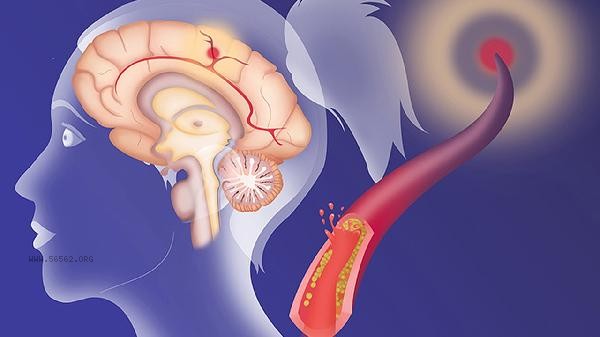
Lack of cognitive activity can affect the prefrontal cortex's ability to regulate the limbic system. Mindfulness meditation, emotional diaries, and other exercises can enhance emotional cognition and management abilities. Maintaining a regular schedule and balanced diet can also help maintain neurotransmitter balance and improve emotional stability.
5. Increased risk of dementia
insufficient cognitive reserve can accelerate the process of brain atrophy. Suggest cross learning, such as learning different skills simultaneously and building more complex neural networks. Maintaining moderate socialization and cultivating lifelong learning habits can significantly reduce the risk of cognitive decline, and professional cognitive training guidance can be sought when necessary. Improving the habit of not using the brain requires establishing a systematic cognitive training plan. Starting from 15 minutes of focused reading, gradually increase the duration of thinking activities. Cultivate curiosity and thirst for knowledge, and integrate learning into daily life. Pay attention to balancing work and rest, ensuring sufficient sleep to give the brain a full rest. Balanced intake of foods rich in omega-3 fatty acids and antioxidants provides nutritional support for the brain. Regularly undergo physical examinations, paying special attention to indicators such as blood pressure and blood sugar that affect brain health. If persistent cognitive impairment is found, timely medical evaluation should be sought.







Comments (0)
Leave a Comment
No comments yet
Be the first to share your thoughts!