
Relieving children's anxiety can be achieved through parent-child communication, emotion recognition training, establishing a sense of security, moderate exercise, professional psychological intervention, and other methods. Childhood anxiety may be caused by sudden changes in family environment, academic pressure, social distress, genetic factors, traumatic events, and other factors.
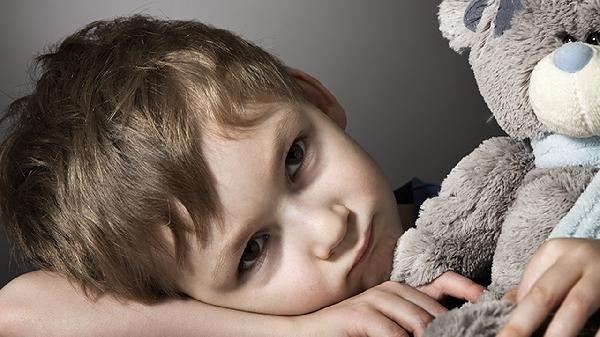
1. Parent child communication
Engage in open-ended conversations with children at fixed times every day, avoiding the use of judgmental language. Parents should proactively inquire about what they are happy or troubled about today, and confirm their understanding by repeating their child's words. For example, if a child says they are afraid of exams, they can respond by saying that exams make you feel nervous, right. Maintain eye contact during communication to reduce interference from electronic devices. If a child has difficulty expressing themselves, they can use drawing or dolls to assist. Avoid discussing sensitive topics at the dining table and choose a quiet and relaxing environment.
2. Emotion Recognition Training
Use emotion cards to help children name feelings and distinguish between different states such as anxiety and anger. Parents need to demonstrate healthy expressions, such as when their mother is currently worried. Use tools such as the picture book 'My Emotional Monster' to help children associate physical reactions with emotions. When recording emotional diaries, use colors to indicate different levels of anxiety. Gradually teach children to distinguish between real threats and imagined dangers, such as how barking dogs may not necessarily bite people.
3. Establish a sense of security
Develop a predictable daily routine, specifying time nodes such as bedtime and study. Parents need to keep their promises and explain the reasons for any temporary changes in advance. Set up a safety corner to place children's favorite soothing objects and allow for 10 minutes of solitude when under high pressure. Enhance control through repetitive activities such as jigsaw puzzles and kneading dough. Avoid excessive protection, gradually let the child handle tasks within their abilities, and give specific praise after completion.
4. Moderate Exercise
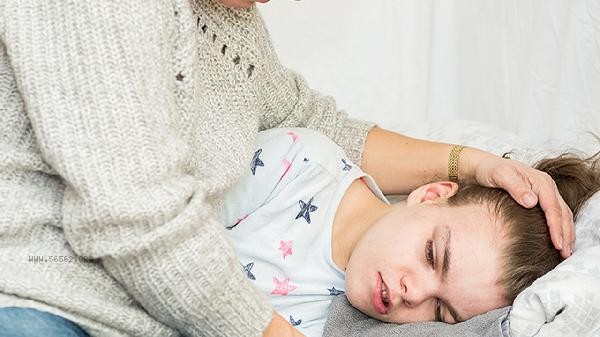
Schedule 30 minutes of moderate intensity physical activity daily, such as skipping rope, chasing games, etc. Group sports can improve social anxiety, but parents need to accompany them in the early stages. Guide children to pay attention to physical changes after exercise, such as increased heart rate, which may not necessarily be a danger signal. Avoid using exercise as a punishment and choose activities that interest children. Yoga or balance mat exercises can be done indoors on rainy days, and maintaining regularity is more important than intensity.
5. Professional Psychological Intervention
When anxiety persists for more than one month and affects daily life, parents need to take their children to see a child psychology department. Cognitive behavioral therapy often involves role-playing to deal with specific fears, while sandplay therapy is suitable for children with weak language expression abilities. Doctors may recommend the use of anti anxiety drugs such as fluvoxamine tablets and sertraline hydrochloride tablets, but strict adherence to medical advice is necessary. School psychologists can cooperate with group counseling, and parents should regularly communicate progress with professionals. In addition to the above methods, parents should pay attention to their own emotional management and avoid transmitting work pressure to their children. Ensure that children get 8-10 hours of sleep per day and reduce screen usage before bedtime. Add deep-sea fish, walnuts, and other ingredients rich in omega-3 fatty acids to your diet. When children exhibit degenerative behaviors such as nail biting and bedwetting, do not overly blame them, as these may be physical manifestations of anxiety. If a child repeatedly experiences unexplained abdominal pain and headache, it is recommended to prioritize investigating physiological factors before considering psychogenic possibilities. Establish a communication mechanism between home and school to understand children's adaptation to the collective environment.





Comments (0)
Leave a Comment
No comments yet
Be the first to share your thoughts!