
Babies can usually start trying to eat rice when they are 6-8 months old, depending on their chewing and swallowing abilities. The main considerations for adding complementary foods include the development of digestive enzymes, disappearance of tongue reflex, neck support, allergy risk screening, and increased nutritional needs.
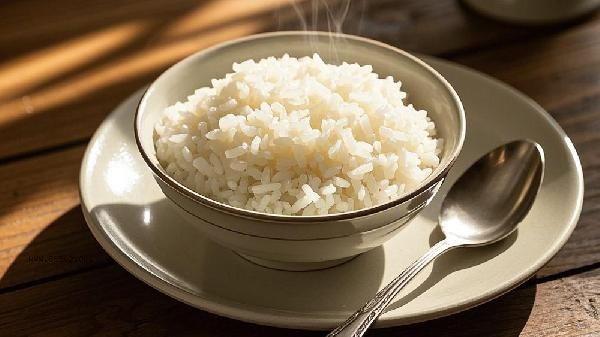
1. Digestive maturity
The gastrointestinal function of infants gradually improves with age, and the secretion of salivary amylase increases after 6 months, which helps to preliminarily decompose carbohydrates in grains. At this time, introducing a small amount of soft rotten rice paste or porridge can exercise gastrointestinal peristalsis and promote the digestive system to adapt to solid food. If hard rice is fed too early, it may cause indigestion or bloating. Parents should observe their baby's bowel movements and adjust the texture of the food.
2. Reflex extinction
Newborns are born with a tongue protrusion reflex, which pushes non liquid food out of the mouth with the tongue. This is a protective mechanism to prevent foreign objects from choking in. Usually, this reflex gradually weakens and disappears between 4-6 months, indicating that the baby has the physiological basis to accept semi-solid food. Parents can test feeding water with a small spoon. If there is no strong resistance, it indicates that they can try introducing rice products with a grainy texture.
3. Head Control
Safe eating requires infants to have stable neck muscle strength, be able to independently maintain their head upright and freely rotate. This action usually takes about 6 months to develop and is a key indicator for preventing choking during eating. Only when the baby can sit firmly in the dining chair without shaking their head, is it suitable for feeding training on foods that require a certain amount of chewing force, such as rice.
4. Allergy Monitoring
Although rice is a low allergenic food, the first addition still needs to follow a single principle and observe continuously for 3 days for adverse reactions such as rash, diarrhea, or vomiting. Infants with a history of severe allergies in the family need to be cautious and it is recommended to introduce new ingredients under the guidance of a doctor. After confirming tolerance, gradually increase the thickness and particle size of the rice to avoid mixing multiple new foods and consuming them simultaneously.
5. Nutritional supplementation
With the acceleration of infant growth rate, it is difficult for pure breast milk or formula milk to fully meet the requirements of trace elements such as iron and zinc. Iron fortified Rice noodles or soft rice can effectively supplement energy gap and support brain and bone development. Parents should include rice as part of a balanced diet, paired with vegetable puree, meat puree, etc., to ensure adequate intake of macronutrients and micronutrients.
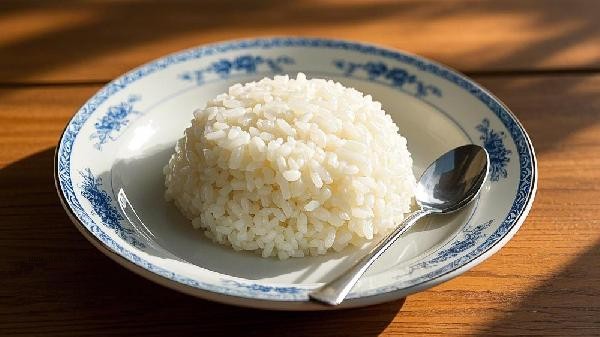
Parents should pay attention to cooking rice until it is extremely soft and tender in daily care. In the initial stage, it can be mashed into a rice paste, and then transitioned to crushed rice grains. It is strictly prohibited to directly feed adult hard rice to prevent suffocation. When eating, the baby should be kept in a sitting position and supervised by a dedicated person. Do not tease or force feed. If the baby experiences food refusal, dry vomiting, or rash, they should immediately stop and consult a professional physician. At the same time, continue to ensure milk supply to meet basic nutrition, and regularly monitor growth and development curves to evaluate the effectiveness of complementary foods.



Comments (0)
Leave a Comment
No comments yet
Be the first to share your thoughts!