
The daily water intake for adults is generally 1500-2000 milliliters, which is influenced by temperature, exercise level, dietary structure, and individual metabolic differences. The daily loss of water in the human body is mainly through urine, sweat, respiration, and feces. supplementing water needs to cover these losses to maintain fluid balance. In mild climates and in a sedentary state, the basic water intake is usually in the range of 1500-1700 milliliters. At this time, the waste produced by the body's metabolism can be excreted normally through urine, which is light yellow in color. When the ambient temperature rises or moderate intensity exercise is performed, sweat evaporation significantly increases, and water intake needs to be increased to 1700-2000 milliliters or even higher to prevent dehydration symptoms such as dry mouth and dizziness. If the daily diet contains a large amount of vegetables and fruits with high water content, the total water intake can be appropriately close to the range of 1500-1800 milliliters. On the contrary, if high salt, high protein foods are consumed or in a dry environment, the water demand tends towards the upper limit of 1800-2000 milliliters. Drinking water should be dispersed multiple times throughout the day to avoid excessive watering that can burden the kidneys in a short period of time. It is also not advisable to wait until extreme thirst before drinking, as the body is already experiencing mild dehydration at that time. Maintaining regular drinking habits helps promote metabolism, maintain skin elasticity, and assist in regulating body temperature, ensuring the normal functioning of various organ systems.
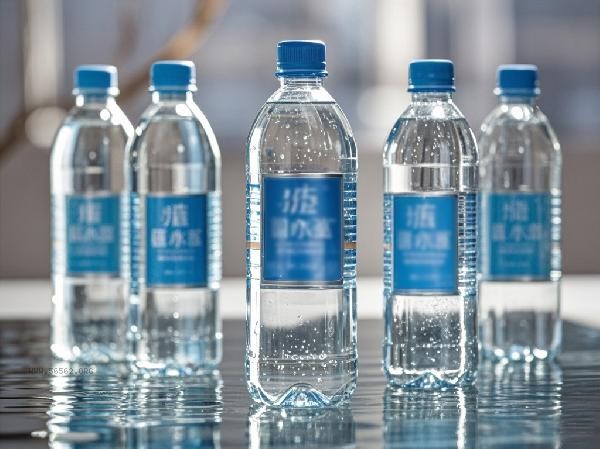
It is recommended to develop the habit of drinking water regularly. Drinking warm water on an empty stomach in the morning can supplement the loss of water at night. Drinking water half an hour before meals can help with the secretion of digestive fluids. In daily life, one can determine whether there is sufficient water by observing the color of urine. A light yellow color is normal, while a dark yellow color indicates the need for hydration. It is necessary to replenish water and electrolytes in a timely manner before and after exercise, and increase the frequency of drinking water in hot weather. At the same time, it is important to avoid completely replacing plain water with sugary drinks or strong tea coffee to avoid increasing the body's metabolic burden or causing diuresis and dehydration. If there are special conditions such as heart or kidney disease, the amount of water should be strictly followed according to medical advice, and fixed values should not be blindly pursued to avoid the risk of edema or heart failure.



Comments (0)
Leave a Comment
No comments yet
Be the first to share your thoughts!