
Low hematocrit exceeding 10% usually requires attention, and its severity is closely related to underlying diseases, symptom manifestations, and rate of decline. The main influencing factors include anemia type, dehydration status, chronic inflammation, bone marrow hematopoietic dysfunction, and acute blood loss.
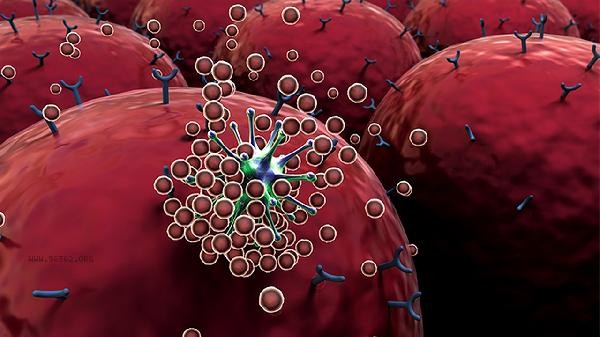
1. Anemia degree:
An adult male with a hematocrit of less than 40% and a female with a hematocrit of less than 36% can be diagnosed with anemia. When the value is below 30%, there may be obvious fatigue, and below 20% is a critical value that requires emergency blood transfusion treatment. Iron deficiency anemia, megaloblastic anemia, and other nutritional anemia are common causes that can be improved by supplementing iron, folate, or vitamin B12. 2. Dehydration interference: Blood concentration caused by severe diarrhea or excessive sweating can falsely increase hematocrit, and the actual degree of anemia may be underestimated. After correcting dehydration, a decrease of more than 5% in the re examination value indicates a true anemia state, which needs to be comprehensively judged in combination with hemoglobin concentration.
3. Chronic diseases: Inflammatory diseases such as rheumatoid arthritis and chronic kidney disease can inhibit bone marrow hematopoietic function, leading to a sustained hematocrit below 35%. These patients often experience a decrease in erythropoietin levels and require treatment for the underlying disease in combination with hematopoietic stimulating drugs.
4. Bone marrow abnormalities:
Diseases such as aplastic anemia and myelodysplastic syndrome can cause a progressive decrease in hematocrit. A short-term decrease of more than 15% or a sustained decrease of less than 25% indicates worsening of the condition and requires a bone marrow puncture for a clear diagnosis.
5. Acute blood loss:
Rapid blood loss caused by trauma or surgery can cause a sudden drop in hematocrit within 24 hours. If the value is below 30% and accompanied by an increase in heart rate, immediate fluid replacement and expansion are required. In the early stage of acute blood loss, due to blood concentration, hematocrit may temporarily return to normal.
Daily intake of iron containing foods such as lean meat, animal liver, and dark green vegetables should be ensured to avoid strong tea affecting iron absorption. Individuals with long-term low values should have their blood routine rechecked every 3 months. If palpitations or shortness of breath occur during exercise, their activity intensity should be reduced. The normal range of hematocrit for special populations such as pregnant women and the elderly may vary slightly, and the interpretation of the report should be based on specific clinical conditions.








Comments (0)
Leave a Comment
No comments yet
Be the first to share your thoughts!