
Obesity poses a significant threat to the lumbar spine, as it can easily lead to lumbar disc herniation and, in severe cases, lower limb paralysis and urinary and bowel dysfunction. One should reduce their own weight. If diagnosed with lumbar disc herniation, they should cooperate with a doctor for reasonable treatment to prevent the disease from worsening.
Excessive obesity and pressure on the waist increase the burden on the waist, which can easily lead to fiber rupture, nucleus pulposus protrusion, and nerve compression. This can cause symptoms such as lower back pain, lower limb radiation pain, and lower limb numbness. When the cauda equina nerve is compressed, it can cause lower limb paralysis and urinary and fecal dysfunction, which will seriously reduce the quality of life. When the body is excessively obese, it is necessary to lose weight by dieting and exercising. If lumbar disc herniation occurs, timely treatment is necessary. Lumbar traction can be performed, and medication such as celecoxib capsules, ibuprofen sustained-release capsules, and mecobalamin tablets can be taken orally according to medical advice. In severe cases, surgical treatment, such as nucleus pulposus removal, should be considered.
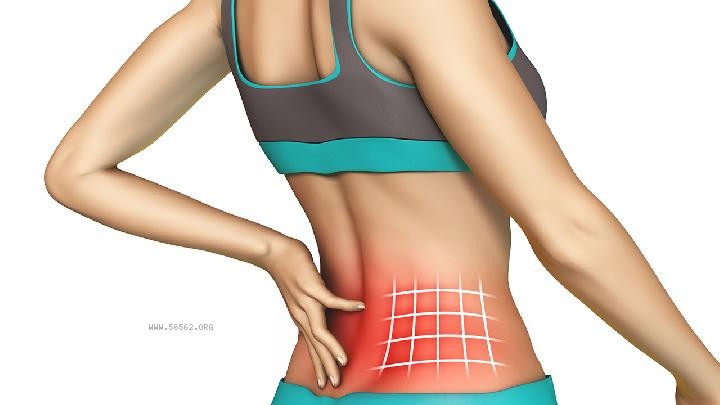
In daily life, it is important to strengthen waist protection, avoid waist injuries, avoid excessive bending, enhance waist warmth, avoid repeated exposure to cold, and follow medical advice to engage in reasonable waist muscle function exercises.





Comments (0)
Leave a Comment
No comments yet
Be the first to share your thoughts!