
One pound of beans can usually produce 2-3 pounds of tofu, and the specific yield is affected by factors such as bean variety, coagulant type, and processing technology.
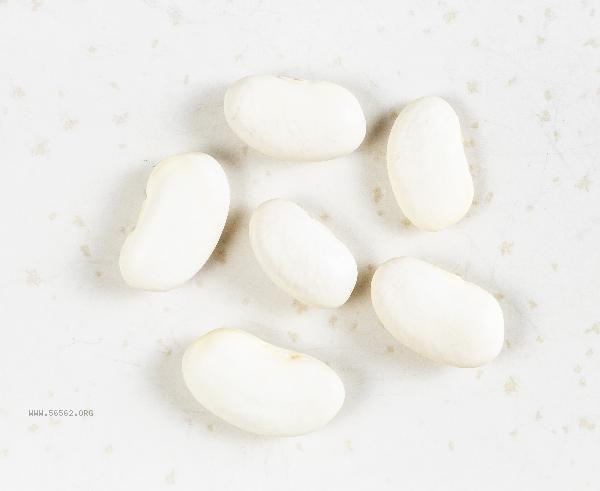
1. Bean Varieties
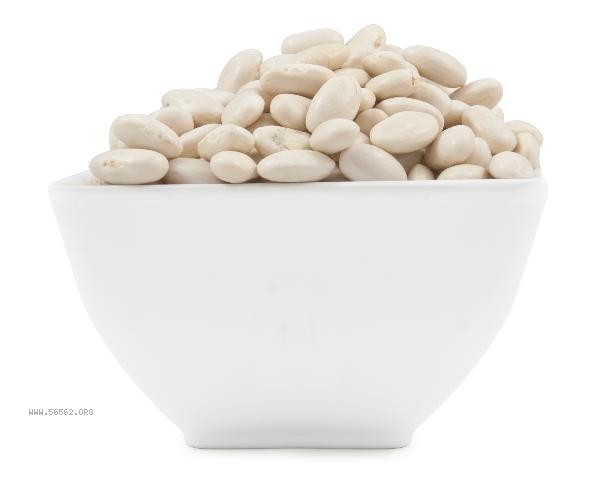
There are differences in protein content and water absorption rate among different varieties of beans. Soybeans have a high protein content, and when making tofu, they absorb water and expand fully, with a pulp yield of about three times. Black beans or green beans may have slightly lower yields under the same process due to their tight fiber structure. Traditional brine tofu often uses high protein soybeans from Northeast China, with a stable tofu yield of over 2.5 pounds.
2. Selection of coagulants
Tender tofu made from gypsum powder has a high water content, and the finished product can weigh up to 3 pounds. The texture of northern tofu made from brine is compact, and the yield is about 2-2.5 pounds. As a modern coagulant, glucolactone can keep more water in tofu pudding, but it should be noted that excessive use will cause tofu to be too soft and fragile.
3. Grinding process
Low speed grinding with stone mill can fully release soy protein, and combined with three filtration processes, it can improve the utilization rate of raw materials. Mechanical high-speed grinding is prone to high-temperature damage to protein structure. If the filtration is not thorough, it may result in residual soybean residue, and the actual yield may be reduced to less than 2 pounds. In traditional craftsmanship, returning soybean residue to the pot and boiling it again can increase production by an additional 5%.
4. Dripping technique
Dripping at around 85 ℃ can fully coagulate proteins. Excessive temperature can cause protein denaturation, while insufficient temperature can result in incomplete coagulation. Experienced masters can control the degree of solidification to keep the tofu elastic without excessive dehydration by observing the formation of beancurd flocs, which is the key link affecting the output.
5. Pressing time
Tender tofu can be molded by gently pressing for 20 minutes, and its high moisture content results in a larger yield. Old tofu needs to be pressed heavily for more than 2 hours to remove excess water, resulting in a tighter but lighter finished product. If there is a lack of professional pressing equipment for homemade products, heavy objects can be evenly pressed for 4 hours, and the output is about 80% of commercial production.
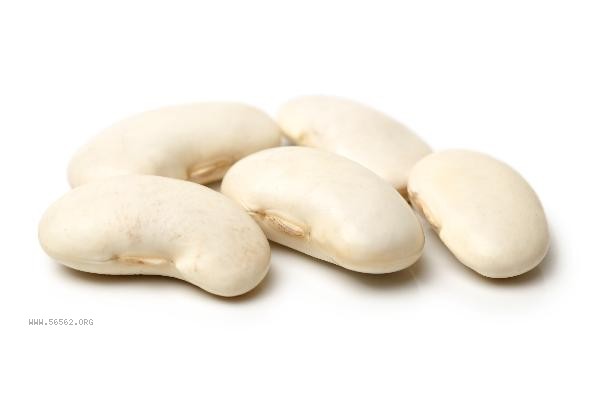
When making tofu, it is recommended to use fresh non genetically modified soybeans and soak them for 8-12 hours in advance to allow the beans to fully absorb water. During the grouting stage, maintain a stable ambient temperature, and pay attention to regular flipping during the pressing process to ensure even drainage. Soaking tofu in diluted salt water and changing the water daily during storage can extend its shelf life to 3 days. People with gastrointestinal sensitivity should pay attention to the purine content in tofu, and control their consumption during the acute phase of gout.








Comments (0)
Leave a Comment
No comments yet
Be the first to share your thoughts!