
Swimming for one hour can burn approximately 400 to 700 calories. The specific consumption depends on the intensity of swimming, swimming posture, as well as individual weight and physique.
1. Swimming intensity: The intensity of swimming directly affects calorie consumption. For example, fast freestyle and butterfly strokes burn significantly more calories than slow breaststroke and backstroke strokes. If you feel a faster heartbeat and shortness of breath while swimming, it means that your intensity is higher and you will naturally burn more calories.

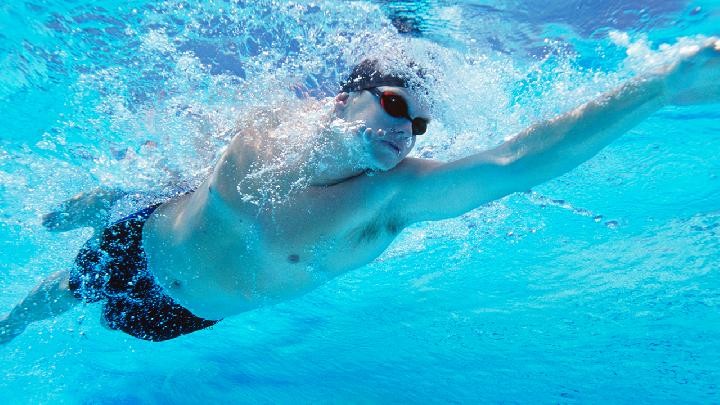
2. Swimming Style Selection: Different swimming styles consume different calories. Freestyle and butterfly are the most calorie burning strokes, consuming approximately 600 to 700 calories per hour. The consumption of breaststroke and backstroke is relatively low, ranging from 400 to 500 calories per hour. If you want to lose weight through swimming, you can choose freestyle or butterfly.
3. Personal weight and physique: People with higher body weight burn more calories when swimming. For example, a person weighing 70 kilograms who swims for an hour consumes approximately 500 calories, while a person weighing 90 kilograms may consume 700 calories. In addition, an individual's basal metabolic rate can also affect calorie expenditure. People with high basal metabolic rates will burn more calories even in swimming of the same intensity.
4. Swimming time and frequency: Swimming time and frequency can also affect total calorie expenditure. Swimming three times a week for one hour each time can burn more calories continuously and reduce the burden on the body compared to swimming once a week for two hours each time. It is recommended to warm up appropriately before each swim to avoid sports injuries.
5. Diet and lifestyle habits: The calories consumed by swimming can be further optimized through reasonable diet and lifestyle habits. After swimming, it is advisable to supplement protein and carbohydrates appropriately to help muscles recover and replenish energy. But avoid high sugar and high-fat foods, otherwise they will offset the calorie burning effect of swimming.
6. Combining with other exercises: If you want to lose weight more efficiently, you can combine swimming with other exercises. For example, in addition to swimming, incorporating aerobic exercises such as running and cycling, or conducting strength training, can provide a more comprehensive exercise and increase overall calorie expenditure.
7. Mental Health: Swimming is not only beneficial for the body, but also has a positive impact on mental health. Swimming can relax the mind, relieve stress, and enhance pleasure. A good psychological state can help you better adhere to exercise and achieve better weight loss results. Overall, swimming is a very effective whole-body exercise that not only burns a lot of calories, but also helps to enhance cardiovascular function and muscle strength. The health benefits of swimming can be maximized through reasonable exercise intensity, correct swimming posture, good dietary habits, and lifestyle. I hope these suggestions can help you achieve better results in swimming.





Comments (0)
Leave a Comment
No comments yet
Be the first to share your thoughts!