
Walking 10000 steps can burn approximately 300 to 500 calories. This value may vary depending on individual differences, such as weight, stride, and walking speed.
1. Weight impact: People with higher body weight burn more calories when walking the same number of steps. For example, a person weighing 70 kilograms walking 10000 steps may burn approximately 400 calories, while a person weighing 50 kilograms may only burn 300 calories. This is because people with higher body weight require more energy to move their bodies.

2. stride and walking speed: stride and walking speed can also affect calorie expenditure. The larger the stride, the faster the walking speed, and the more calories burned. For example, compared to slow walking, brisk walking consumes more calories. A person walking 10000 steps at a speed of 5 kilometers per hour may burn 50 to 100 calories more than walking 10000 steps at a speed of 3 kilometers per hour.
3. Terrain and Environment: The terrain and environment of walking can also have an impact on heat consumption. Walking on flat ground and on mountains consumes different amounts of heat. Mountains or slopes can increase resistance, thereby increasing heat consumption. Similarly, if walking in cold weather, the body needs more energy to maintain body temperature, and calorie expenditure will also increase.
4. Personal metabolic rate: Everyone's basal metabolic rate is different, which can also affect calorie expenditure. People with high basal metabolic rate will burn more calories in the same activity. This factor is determined by multiple factors such as genes, age, and gender.
5. Combined with other exercises: If some other exercises are added during walking, such as intermittent running, jumping, or weight-bearing walking, the calorie expenditure will also significantly increase. These additional exercises can help you burn more calories in the same amount of time.
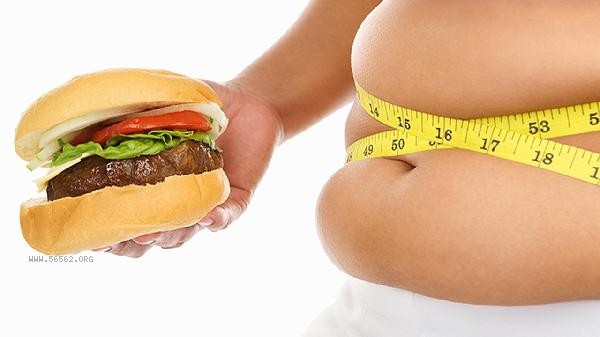
6. Diet and lifestyle habits: Diet and lifestyle habits can also affect calorie expenditure. The intake of calories and nutrients in diet can affect the body's energy metabolism. If you consume high calorie foods before and after walking, it may offset some of the calorie burning effects.
In order to make walking more effective in helping with weight loss or maintaining health, here are some suggestions:
1. Maintain regularity: Walk every day to form a habit. You can set a daily step goal, such as 10000 steps, and strive to complete it.
2. Increase intensity: Increase the intensity of walking appropriately, such as accelerating the pace or choosing a sloping route. This can increase heat consumption.
3. Combined with other exercises: Adding some other exercises during walking, such as intermittent running, jumping, or weight-bearing walking, can improve exercise effectiveness.
4. Pay attention to diet: maintain healthy eating habits and avoid high calorie and high sugar foods. Combining diet and exercise is essential for better weight control.
5. Monitoring progress: devices such as step counters or smart bracelets can be used to monitor daily steps and calorie consumption, and adjust exercise plans in a timely manner. Walking 10000 steps is indeed a good exercise goal, as it not only helps burn calories but also enhances cardiovascular function and muscle strength. Through proper exercise and dietary management, you can better control your weight and maintain good health.




Comments (0)
Leave a Comment
No comments yet
Be the first to share your thoughts!