
After a cesarean section, it is usually necessary to wait for 42 to 60 days before consuming chili peppers in moderation. The specific time depends on the degree of wound healing and the recovery of gastrointestinal function.
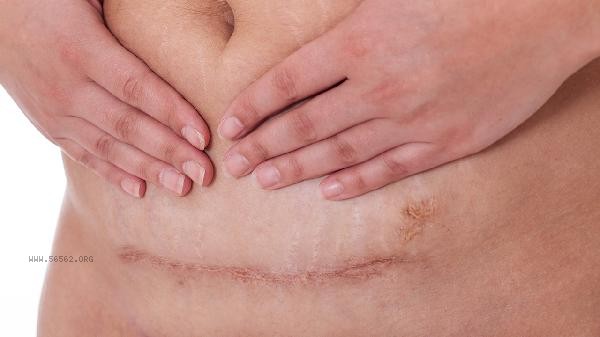
After cesarean section, the diet should strictly follow the principle of gradual progress. In the initial stage, light and easily digestible foods should be the main focus to avoid stimulating foods that interfere with the body's repair process. Within 42 days after surgery, the mother's body is in a critical period of tissue repair. Eating chili peppers at this time can easily cause congestion and edema of the gastrointestinal mucosa, leading to symptoms such as abdominal pain, diarrhea, or constipation, which in turn can affect uterine contractions and lochia discharge, and may even lead to delayed wound healing or increased risk of infection. When the time passes between 42 and 60 days, if the mother's uterus is well restored, the abdominal incision is completely healed and there is no redness, swelling or exudation after re examination, and the bowel movements are normal, she can try to consume a small amount of spicy food to observe the body's reaction. At this stage, although gastrointestinal function has partially recovered, it is still relatively fragile. Excessive capsaicin may still trigger hemorrhoid attacks or exacerbate discomfort in the perineum. If it takes more than 60 days and all physical indicators have returned to normal, the transition to daily dietary taste can be gradually made. However, attention should still be paid to controlling the degree and frequency of spiciness, avoiding long-term and excessive consumption that can lead to the accumulation of dampness and heat in the body or induce chronic gastrointestinal inflammation. During the entire recovery period, close attention should be paid to one's own feelings. If there are abnormal signals such as dry mouth and tongue, dry stools, or hidden pain in the wound, it is necessary to immediately stop eating and return to a light diet mode to ensure that the body completes a comprehensive recovery within a safe range.
It is recommended that pregnant women drink more warm water in daily care to promote metabolism, eat moderate amounts of fish, lean meat, and fresh vegetables and fruits rich in high-quality protein to enhance immunity, maintain moderate indoor activity to promote intestinal peristalsis and prevent constipation, pay attention to personal hygiene and cleanliness to prevent wound infection, and ensure sufficient sleep for physical recovery. If there are persistent discomfort symptoms, they should promptly go to the hospital's obstetrics department for follow-up, adjust their diet structure and lifestyle under the guidance of professional doctors, and not blindly follow the trend and try stimulating foods to avoid damaging their health.



Comments (0)
Leave a Comment
No comments yet
Be the first to share your thoughts!