
You need to wait for about 1 to 2 hours before swimming before eating. This can avoid indigestion and discomfort, ensuring comfort and safety during exercise.
1. The importance of the digestive process: After eating, the body needs time to digest food. The digestive process requires blood to be concentrated in the stomach to help break down and absorb nutrients. If you go swimming right after finishing your meal, the blood will be scattered to your limbs, affecting digestion efficiency, causing discomfort in your stomach, and may even lead to abdominal pain or vomiting.
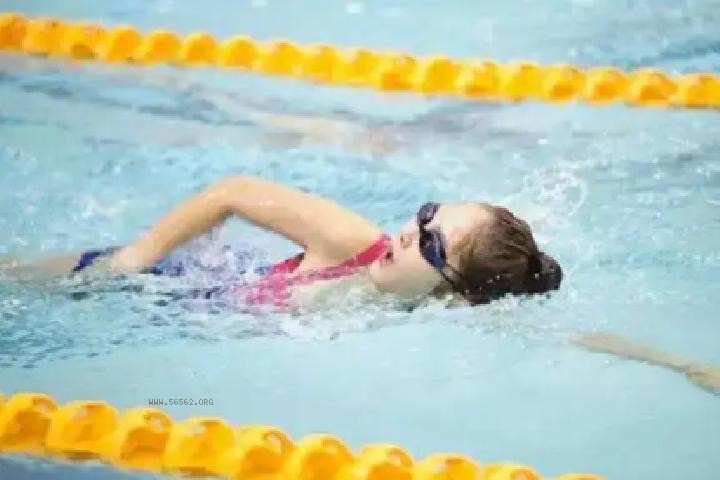
2. Avoid the risk of cramps: Swimming is a full body exercise that consumes a lot of energy and physical strength. If swimming immediately after eating, the body needs to engage in vigorous exercise while digesting food, which can easily lead to muscle cramps. This not only affects the swimming experience, but may also increase the risk of drowning.
3. Choose light meals: If it is necessary to eat before swimming, it is recommended to choose easily digestible light foods such as fruits, yogurt, or a small amount of nuts. These foods can provide necessary energy without putting too much burden on the digestive system.
4. Moderate water intake: Maintaining sufficient body hydration is also important. You can drink a moderate amount of water before swimming, but don't drink too much at once. Excessive drinking of water may cause discomfort in the stomach. During swimming, the body loses a large amount of water through sweat and breathing. Proper hydration can maintain physical strength and athletic performance.
5. Avoid high-fat and high fiber foods: These foods take longer to digest and can cause discomfort while swimming. High fat foods such as fried foods and high fiber foods such as beans, whole grains, etc. can all lead to bloating and indigestion.
6. Understand personal physical condition: Everyone's digestive system and tolerance are different. Some people may be able to exercise shortly after meals, while others require longer digestion time. understanding one's physical condition and finding the most suitable time for eating and exercising is the key to ensuring safe and enjoyable swimming.
7. Reasonably arrange exercise time: If planning high-intensity swimming training, it is best to do it at least 2 hours after meals. This not only ensures that food is fully digested, but also allows the body to have sufficient energy reserves to meet exercise needs.
8. Pay attention to postprandial activities: Light activities such as walking can be done after meals, which can help promote digestion. Avoid immediately lying down or engaging in vigorous exercise, as this can affect the digestive process and increase physical burden. In general, arranging food intake and choosing appropriate food before swimming can not only improve the safety of swimming, but also make you feel more comfortable and enjoyable in the water. Remember, healthy lifestyle habits and scientific exercise arrangements are the key to achieving maximum benefits from exercise.





Comments (0)
Leave a Comment
No comments yet
Be the first to share your thoughts!