
After cervical examination, it usually takes 3-7 days to have sexual intercourse. This time range mainly depends on the specific type of examination and individual recovery situation. It is usually recommended to wait until the bleeding or secretions after the examination are completely cleared before resuming sexual activity. Cervical examination includes various types, with different recovery times. For routine cervical smear tests such as TCT or HPV testing, the stimulation of the cervical mucosa during the examination process is minimal, and sexual intercourse usually takes 3-5 days. This type of examination only uses a brush to sample the surface of the cervix, which may cause a small amount of bloody discharge that usually disappears on its own within 1-2 days. For cervical biopsy, due to the need to take a small piece of tissue for pathological analysis and the relatively large wound size, the recovery time needs to be extended to 5-7 days. After biopsy, a small incision may form in the cervix, which takes time to heal. Early intercourse may cause bleeding or infection at the wound site. For therapeutic procedures such as cervical polyp removal or cervical conization, the recovery time is longer, usually 2-4 weeks, and the specific time should follow the doctor's advice. The standard for determining whether sexual intercourse is possible is to observe whether the vaginal discharge is completely clean, without bloody discharge or abnormal increase, and without discomfort such as abdominal pain or lower back pain. If there is continuous bleeding for more than 7 days, odor or fever in the secretions after examination, it suggests that there may be infection or poor wound healing, and sexual intercourse should be postponed and medical examination should be sought in a timely manner.
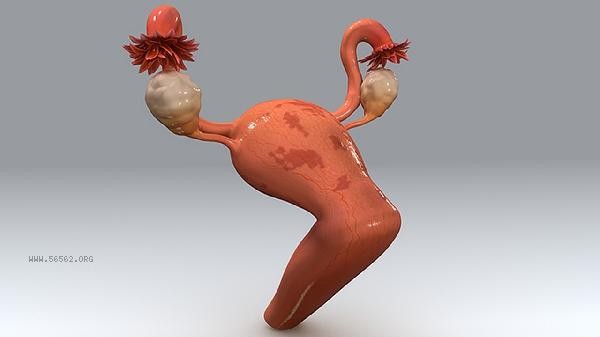
After cervical examination, it is important to keep the external genitalia clean. It is recommended to use warm water for cleaning and avoid using washing liquids or vaginal flushing. Do not take a bath or swim within 2 weeks after the examination, it is safer to choose a shower. Wear loose cotton underwear in daily life, avoid tight pants, and reduce friction on the perineum. Eating foods rich in protein and vitamin C, such as eggs, lean meat, kiwifruit, etc., can help with wound healing. If a small amount of bloody discharge appears after examination, it is a normal phenomenon. However, if the amount of bleeding exceeds the menstrual flow or lasts for a long time, timely medical examination and follow-up should be sought.








Comments (0)
Leave a Comment
No comments yet
Be the first to share your thoughts!