
The standard for determining obesity is usually the BMI index, which is the weight (in kilograms) divided by the square of the height (in meters). This simple calculation method can help us quickly assess whether a person's weight is within a healthy range.
1. BMI index: This is the most commonly used obesity assessment tool. Judging by the ratio of weight to height. For example, if a person weighs 70 kilograms and is 1.65 meters tall, their BMI is 70 divided by the square of 1.65. According to the standards for Asian adults, a BMI between 18.5 and 22.9 is considered normal; Less than 18.5 indicates low body weight; 23 to 24.9 is the pre obesity stage; 25 to 29.9 is grade I obesity; 30 or above is considered as Grade II obesity. Although these numbers may seem simple, they can provide us with valuable health information in real life.
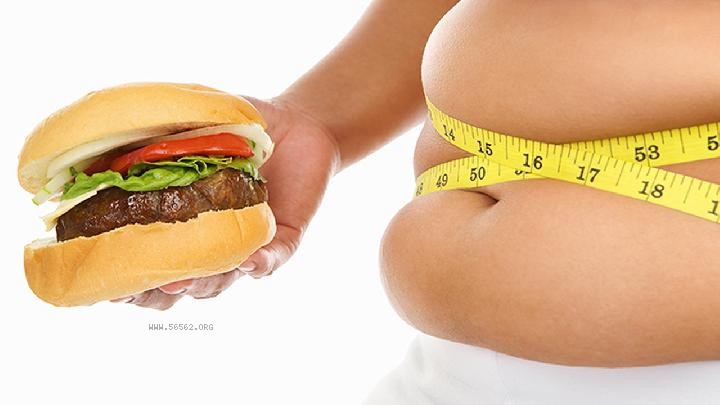
2. Waist to hip ratio: This is a method for evaluating central obesity, especially the distribution of abdominal fat. Determine by measuring the ratio of waist circumference to hip circumference. Generally speaking, the waist to hip ratio for males should be less than 0.90, and for females it should be less than 0.85. Exceeding these values suggests the possibility of central obesity, a type of obesity that is more likely to trigger cardiovascular disease.
3. Ideal weight calculation: This method is more practical. Ideal weight can be obtained by subtracting 105 from height, or subtracting 100 from height and multiplying by 0.9 (for males) or 0.85 (for females). If the actual weight exceeds 20% of the ideal weight, it can be considered as obesity; If it exceeds 10% but is less than 20%, it is considered overweight. This method is simple and easy to remember, making it very suitable for daily self-assessment. 4. Advanced measurement technology: Modern medicine provides many precise measurement methods, such as measuring body fat distribution through X-rays, B-ultrasound, MRI, or CT scans. Although these methods may not be suitable for daily use, they can provide very detailed body fat information in medicine, such as visceral fat area. Fat area greater than 130cm ² is associated with metabolic diseases, while less than 110cm ² is relatively safe. Obesity is not just a matter of weight, it is often accompanied by abnormalities in blood lipids, blood sugar, blood pressure, and uric acid. For the sake of health, it is recommended that everyone make adjustments in both diet and exercise. A healthy diet can choose low-fat and high fiber foods to reduce sugar and salt intake, while reasonable exercise can help us burn excess calories and enhance our physical fitness. Regardless of the method chosen, the key lies in persistence and moderation. Managing weight through scientific methods can not only improve appearance, but also enhance overall health.




Comments (0)
Leave a Comment
No comments yet
Be the first to share your thoughts!