
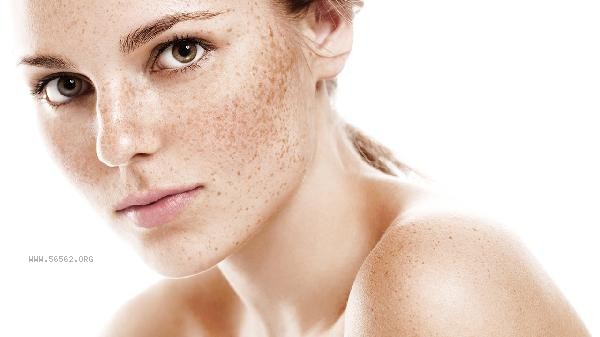
Freckles on the face may be related to genetic factors, UV exposure, endocrine disorders, impaired skin barrier function, inflammatory reactions, and other factors. Freckles usually manifest as symmetrical yellow brown dot like pigmentation on the face, which can be improved through sun protection, laser treatment, medication application, and other methods.
1. Genetic factors
Freckles have obvious familial clustering. If one or both parents have freckles, the probability of their children appearing is higher. This is related to the increased tyrosinase activity in melanocytes, leading to an increase in local melanin synthesis. Daily sun protection should be strengthened to avoid inducing darkening of pigmentation. Hereditary freckles usually do not require special treatment. If it affects aesthetics, Q-switched laser or intense pulsed light intervention can be considered.
2. UV irradiation
Long term exposure to sunlight can stimulate the proliferation of melanocytes, leading to the darkening and expansion of existing freckles. UVA in ultraviolet radiation can penetrate the epidermis and reach the dermis, activating tyrosinase activity. It is recommended to use a broad-spectrum sunscreen with an SPF of 30 or higher throughout the year, in conjunction with physical shading measures. For photoaging freckles, follow the doctor's advice to use hydroquinone cream or retinol cream to assist in fading.
3. Endocrine disorders
fluctuations in estrogen levels caused by pregnancy, oral contraceptives, etc. may induce or worsen freckles. Estrogen can promote the secretion of melanin granules by melanocytes. These types of freckles often appear with melasma and require screening for underlying diseases such as polycystic ovary syndrome. During the stable period, try to take tranexamic acid tablets orally with tranexamic acid essence for external use, but only under the guidance of a doctor.

4. Damage to the skin barrier
Excessive cleaning, frequent exfoliation, and other behaviors can damage the skin barrier function, making melanocytes more susceptible to external stimuli. Manifested as blurred edges and uneven color of the original freckles. Soap based cleansing products should be avoided, and moisturizing creams containing ceramides can be used during the repair period. When accompanied by inflammation, short-term application of tacrolimus ointment can be used to control the reaction.
5. Chronic inflammatory stimuli
Recurrent inflammatory reactions such as acne and dermatitis can lead to post inflammatory pigmentation, which is mixed with freckles. Inflammatory factors activate the mechanism of melanocyte activity. Priority should be given to the control of primary diseases. Compound glycyrrhizin tablets can be used for anti inflammation in the acute phase, and levo vitamin C essence can be used in the stable phase to inhibit melanin transport.

To prevent the aggravation of freckles, a systematic protective strategy should be established: use physical sunscreen containing zinc oxide in the morning every day, and reapply on rainy days; Choose wide brimmed hats and UV resistant masks for hard sun protection; Avoid prolonged outdoor activities between 10am and 4pm. Increase the intake of citrus fruits and dark vegetables rich in vitamin C in diet, and reduce photosensitive foods such as celery and fennel. If freckles suddenly increase or darken in the short term, it is recommended to go to a dermatologist to investigate pathological factors such as melanosis.







Comments (0)
Leave a Comment
No comments yet
Be the first to share your thoughts!