
Hepatitis B could not be detected after drinking white vinegar. The detection of hepatitis B mainly depends on blood tests, such as the detection of hepatitis B B 5 and hepatitis B virus DNA. Drinking white vinegar cannot change the hepatitis B virus markers in the blood, so it has no impact on the detection results. Hepatitis B is usually caused by hepatitis B virus infection. It is recommended to test it through formal medical channels.
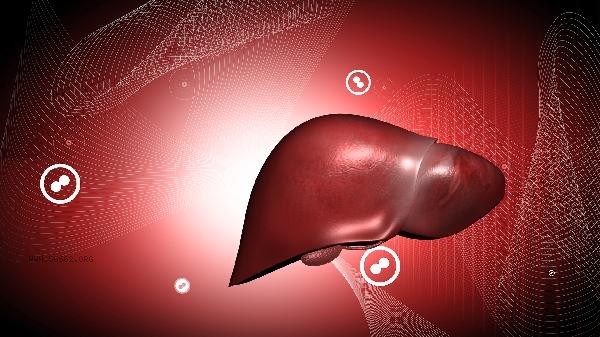
In most cases, drinking white vinegar has no effect on hepatitis B detection results. Hepatitis B detection is to determine whether to be infected with hepatitis B virus by analyzing specific antigens or antibodies in blood samples. These markers exist in the blood and will not disappear or change because of drinking white vinegar. After entering the digestive tract, white vinegar will be neutralized and metabolized by stomach acid, and will not enter the circulatory system, so it cannot interfere with the accuracy of blood testing. The transmission routes of hepatitis B mainly include blood transmission, mother to child transmission and sexual contact transmission. Daily contact such as sharing meals and shaking hands will not infect hepatitis B. For the prevention of hepatitis B, inoculation of hepatitis B vaccine is the most effective method at present. If hepatitis B infection is suspected, it is recommended to go to a doctor in time for blood tests, such as hepatitis B surface antigen testing, which is the key step for diagnosis. In very few cases, if the patient has serious liver disease or cirrhosis, drinking white vinegar may stimulate the gastrointestinal tract, but this has nothing to do with hepatitis B detection. The treatment of hepatitis B includes antiviral drugs such as entecavir tablets, tenofovir dipivoxil tablets and interferon, but these drugs need to be used under the guidance of doctors and cannot replace testing. For patients with hepatitis B, regular reexamination of liver function, hepatitis B virus DNA and liver ultrasound is necessary to monitor the changes in the condition.
It is recommended to maintain a normal diet and daily routine before the physical examination, avoid drinking alcohol and excessive fatigue, which can help ensure the accuracy of the test results. If you are worried about hepatitis B infection, you should take the initiative to carry out the five tests for hepatitis B, and consult the doctor according to the results whether vaccination or further treatment is needed. In daily care, paying attention to personal hygiene and avoiding sharing items such as toothbrushes and razors that may come into contact with blood can effectively reduce the risk of infection. For patients infected with hepatitis B, follow the doctor's advice for antiviral treatment and regular reexamination, which will help control the development of the disease and reduce the probability of cirrhosis and liver cancer. Meanwhile, maintaining a balanced diet and moderate exercise can enhance immunity and have a positive effect on liver health.








Comments (0)
Leave a Comment
No comments yet
Be the first to share your thoughts!