
Health check ups are usually recommended to be conducted once a year. The main items of health examination include routine physical examination, laboratory examination, imaging examination, functional examination, specialized screening, etc.
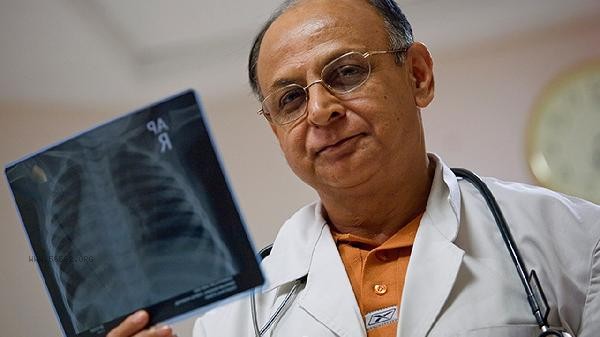
1. Routine physical examination:
This is the basic part of physical examination, including measuring height, weight, blood pressure, pulse, as well as conducting physical examinations in specialties such as internal medicine, surgery, ophthalmology, otolaryngology, and dentistry. Doctors can preliminarily assess the condition of various systems in the body through visual, tactile, percussion, and auditory methods, and discover potential problems such as hypertension, heart murmurs, thyroid nodules, and skin lesions. This part of the examination is non-invasive and convenient, and is the first step in health assessment.
2. Laboratory tests:
mainly involves collecting blood, urine, and other samples for laboratory analysis. Blood routine can reflect the presence of infection, anemia, and other conditions; Urine routine can help screen for kidney diseases and urinary system infections; Biochemical indicators such as liver function, kidney function, blood sugar and blood lipid can evaluate the metabolic function of liver and kidney, and whether there is risk of metabolic diseases such as diabetes and hyperlipidemia. These examinations provide objective evidence for the early detection of many diseases.
3. Imaging examination:
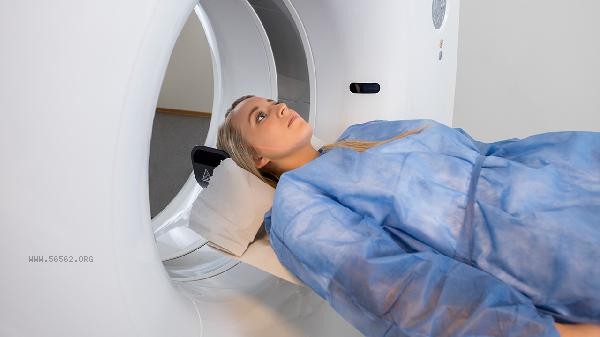
uses X-ray, ultrasound, CT and other equipment to image the internal structure of the human body. Chest X-ray examination is commonly used to screen for lung inflammation, tuberculosis, or tumors; Abdominal ultrasound can observe the morphology and structure of organs such as the liver, gallbladder, pancreas, spleen, and kidneys, and detect space occupying lesions such as cysts, stones, and tumors; Thyroid ultrasound is used to evaluate the size, shape, and presence of nodules in the thyroid gland. Imaging examinations can visually display anatomical abnormalities in organs.

4. Functional examination:
is mainly used to evaluate the physiological function of specific organs or systems. electrocardiogram is a commonly used method for examining cardiac electrical activity, which can diagnose issues such as arrhythmia and myocardial ischemia; Pulmonary function tests are used to evaluate the ventilation and air exchange function of the lungs, and have important diagnostic value for respiratory diseases such as chronic obstructive pulmonary disease. This type of examination focuses on evaluating the working ability of organs, rather than simply structural changes.
5. Specialized screening:
conducts targeted examinations for diseases in specific age groups or high-risk populations. For example, it is recommended for people over 40 years old to undergo gastrointestinal endoscopy to screen for digestive tract tumors; Women should regularly undergo breast ultrasound or molybdenum target examination and cervical smear examination for early screening of breast cancer and cervical cancer; Men may consider prostate specific antigen testing to screen for prostate cancer. The goal of specialized screening is to detect and intervene in the early stages of disease or even precancerous lesions. Before undergoing a health check-up, it is recommended to maintain a normal diet and daily routine. The night before the check-up, it is recommended to have a light diet, avoid drinking alcohol and vigorous exercise, and ensure adequate sleep. On the day of the physical examination, fasting for 8-12 hours is usually required for blood glucose, lipid, and other blood tests. Wear loose and easy to put on/take off clothing, and do not wear metal jewelry to avoid affecting the imaging examination results. If you have a medical history or are currently taking medication, you should inform your doctor in advance. After the physical examination, one should carefully read the examination report, consult a doctor in a timely manner for abnormal indicators, and conduct follow-up examinations or further diagnosis and treatment according to suggestions. The examination results should be used as a basis for adjusting lifestyle and health management.








Comments (0)
Leave a Comment
No comments yet
Be the first to share your thoughts!