
Gout patients should avoid consuming high purine foods, mainly including animal organs, thick meat soup, some seafood, alcoholic beverages, and high fructose drinks.
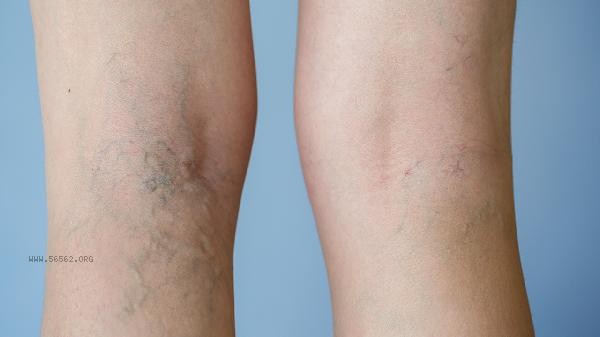
1. Animal organs
Animal organs such as liver, kidneys, heart, etc. belong to highly purine foods. After ingestion, they will rapidly metabolize and produce a large amount of uric acid in the body, leading to a sharp increase in blood uric acid levels and triggering acute attacks of gout. This type of food not only has excessive purine content, but also contains high cholesterol and fat, which is not conducive to the control of metabolic syndrome. Gout patients should strictly prohibit the consumption of such foods at any stage of the disease to avoid exacerbating joint redness, swelling, heat and pain symptoms, which may affect the recovery of the condition.
2. Concentrated meat soup
Concentrated meat soup, hot pot soup base, and aged soup that have been boiled for a long time dissolve a large amount of purine substances, and their purine content is often much higher than that of meat itself. Drinking these soups can quickly introduce exogenous purines into the bloodstream, increase the burden of kidney excretion, and promote the deposition of urate crystals in the joint cavity. For gout patients, the saying that eating meat is better than drinking soup does not apply. They should avoid drinking various concentrated meat broths and choose light vegetable soup or plain water to reduce the risk of disease.
3. Some seafood
shellfish, sardine, anchovies and some deep-sea fish contain very high purine content, which is a common dietary trigger for gout attacks. The nucleotide breakdown in these seafood products can produce a large amount of uric acid, especially when they are not fresh or processed improperly, which poses a higher risk. Although moderate consumption of some seafood may have controllable risks, for safety reasons, patients with acute and remission gout are advised to limit or avoid consuming the above-mentioned high purine seafood to prevent joint pain recurrence and gout stone formation.

4. Alcoholic beverages
Alcohol, especially beer and Baijiu, not only contains purine, but also inhibits the excretion of uric acid by the kidney, promotes the production of lactic acid in the body, and further blocks the excretion of uric acid. Drinking alcohol can cause fluctuations in blood uric acid concentration, which can easily trigger acute attacks of gouty arthritis and even lead to multi joint involvement. Long term alcohol consumption can also damage liver and kidney function, affecting the efficacy of acid lowering drugs. Therefore, gout patients should completely quit drinking, including all alcoholic beverages such as red wine, to maintain uric acid stability.
5. High Fructose Beverages
Although sugary drinks, fruit juices, and high fructose corn syrup products do not contain purines, fructose accelerates the breakdown of purine nucleotides during metabolism in the body, thereby increasing uric acid production. Meanwhile, high sugar intake can easily lead to obesity and insulin resistance, indirectly affecting uric acid excretion. Common carbonated drinks, functional drinks, and pre packaged fruit juices on the market may contain a large amount of fructose. Gout patients should carefully check the ingredient list and try to drink plain water, light tea, or sugar free soda water to avoid pain caused by excessive fructose intake. Gout patients should adhere to the principle of low purine in their daily diet, consume more high-quality protein sources such as fresh vegetables, fruits, low-fat dairy products, and eggs, and maintain sufficient water to promote uric acid excretion. Pay attention to weight control, avoid overeating and excessive hunger, maintain a regular schedule, engage in moderate aerobic exercise such as walking and Tai Chi, and avoid joint damage caused by intense exercise. If you experience discomfort symptoms such as joint redness, swelling, heat, and pain, you should promptly seek medical attention at a regular hospital's rheumatology and immunology department. Follow the doctor's advice and use uric acid lowering and anti-inflammatory drugs in a standardized manner. Do not stop taking the medication or change the treatment plan at will. Through a combination of scientific lifestyle intervention and medication treatment, effectively control the development of the disease.






Comments (0)
Leave a Comment
No comments yet
Be the first to share your thoughts!