
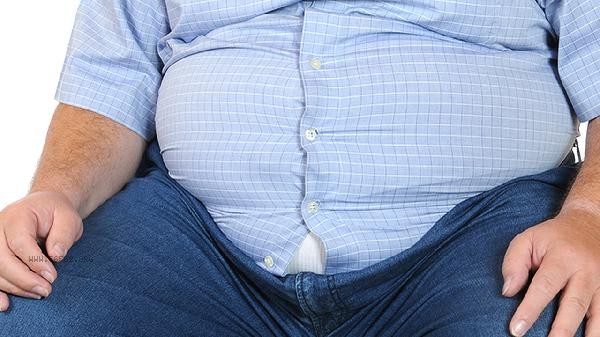
Whole body weight loss exercises can be performed through five steps: warm-up exercises, aerobic exercises, strength training, core training, and stretching and relaxation. Weight loss exercises require long-term persistence and dietary control to achieve ideal results.
1. Warm up exercise
Warm up exercise is an important preparation step for weight loss exercises, which can help the body gradually adapt to the exercise state. Common warm-up exercises include standing still, lifting legs high, wrapping arms, etc., lasting for 5-10 minutes. Warming up can increase heart rate, promote blood circulation, and prevent sports injuries. When warming up, pay attention to the range of movements from small to large and the speed from slow to fast, allowing muscles and joints to fully move.
2. Aerobic exercise
Aerobic exercise is the core part of weight loss exercises, which can effectively burn fat. Common movements include opening and closing jumps, back kicking, side sliding steps, etc. Each movement lasts for 30-60 seconds and is repeated 3-5 times. Aerobic exercise should maintain moderate intensity and keep the heart rate at 60% -70% of the maximum heart rate. During exercise, it is important to maintain even breathing and avoid holding your breath. The movements should be standardized to achieve optimal results.
3. Strength Training
Strength training can increase muscle mass and improve basal metabolic rate. Common movements include squats, lunges, push ups, etc. Each movement is performed 8-12 times in a group and repeated 2-3 times. Strength training should be gradual, starting with self weight training and gradually increasing in difficulty. During training, it is important to pay attention to movement standards, avoid compensatory movements, maintain core stability, and prevent sports injuries.
4. Core Training
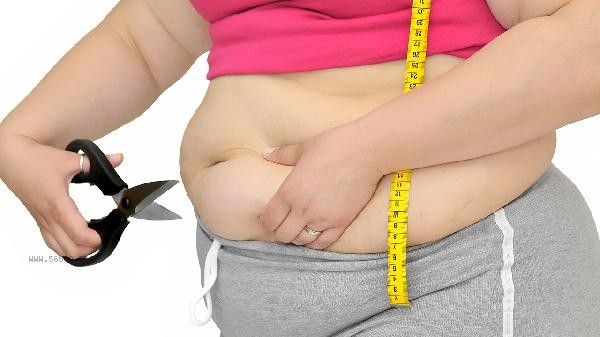
Core training can enhance abdominal and back muscles and improve posture. Common movements include plank support, supine abdominal roll, Russian rotation, etc. Each movement lasts for 30-60 seconds and is repeated in 2-3 groups. Core training should focus on quality rather than quantity, and maintaining the correct posture is necessary to effectively exercise the target muscle group. During training, tighten the abdomen, maintain smooth breathing, and avoid excessive pressure on the neck.
5. Stretching and Relaxation
Stretching and relaxing is a necessary finishing step of weight loss exercises, which can relieve muscle tension. Common exercises include stretching the front thigh, shoulder, and back, each lasting 15-30 seconds. When stretching, it should be done slowly to avoid bouncing stretching and feel the tension of the muscles. Relaxation activities can help the body smoothly transition from a state of exercise and reduce muscle soreness after exercise.

When doing whole-body weight loss exercises, pay attention to gradual progress and adjust the exercise intensity and time according to your own situation. Before and after exercise, it is important to replenish sufficient hydration and wear comfortable sportswear and shoes. It is recommended to do 3-5 weight loss exercises per week, each lasting 30-60 minutes. After exercise, it is important to supplement high-quality protein and complex carbohydrates to help with muscle recovery. Maintaining a regular schedule and balanced diet is essential for achieving long-term and stable weight loss results.






Comments (0)
Leave a Comment
No comments yet
Be the first to share your thoughts!