
Frequent feelings of anxiety and palpitations may be related to factors such as excessive stress, lack of sleep, excessive caffeine intake, thyroid dysfunction, and anxiety disorders. Anxiety accompanied by palpitations is a common psychological and physiological response, and long-term persistence requires vigilance against pathological causes.

1. Excessive stress
Chronic stress such as high work intensity and tense interpersonal relationships can continuously activate the sympathetic nervous system, leading to increased secretion of adrenaline and causing physical symptoms such as palpitations and sweating. It is recommended to relieve stress through mindfulness meditation, time management, and other methods, and ensure sufficient rest time every day.
2. Lack of Sleep
Long term sleep of less than 6 hours can reduce the prefrontal cortex's ability to regulate the amygdala, making people more prone to anxiety. Lack of deep sleep can also lead to decreased heart rate variability and unexplained palpitations. Establishing a regular sleep routine can help improve sleep quality.
3. Excessive caffeine intake
Drinking more than 400 milligrams of caffeine per day can overstimulate the central nervous system, causing anxiety like symptoms such as tachycardia and restlessness. Beverages containing caffeine include coffee, strong tea, energy drinks, etc. Sensitive individuals should control their intake.

4. Abnormal thyroid function
Excessive secretion of thyroid hormones can lead to metabolic hyperactivity, resulting in symptoms of hyperthyroidism such as palpitations, hand tremors, and irritability. This type of physiological anxiety requires testing of thyroid stimulating hormone levels for diagnosis and treatment with antithyroid drugs.
5. Anxiety disorder
Generalized anxiety disorder or panic attacks may present with unexplained palpitations, difficulty breathing, and other symptoms lasting for more than 6 months, which may be related to overactive amygdala. Cognitive behavioral therapy combined with anti anxiety drugs such as paroxetine and sertraline can effectively improve symptoms.
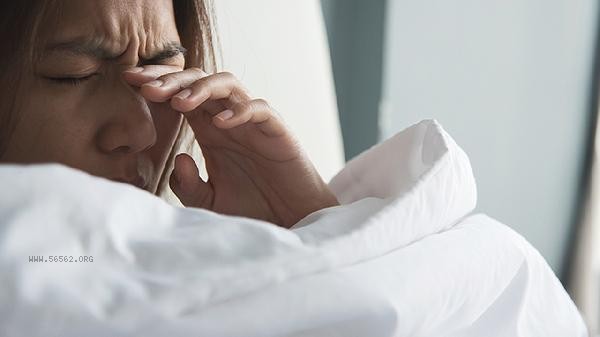
Daily abdominal breathing training can be tried to alleviate acute anxiety attacks. The rhythm of inhaling for 4 seconds, holding for 2 seconds, and exhaling for 6 seconds can activate the parasympathetic nervous system. Regular aerobic exercise such as brisk walking and swimming can increase levels of endorphins in the brain. Add magnesium rich foods such as bananas and nuts to your diet to avoid blood sugar fluctuations caused by high sugar diets. If the symptoms continue to worsen or are accompanied by physical symptoms such as chest pain, it is recommended to seek timely evaluation at a psychiatric or cardiology department.




Comments (0)
Leave a Comment
No comments yet
Be the first to share your thoughts!