
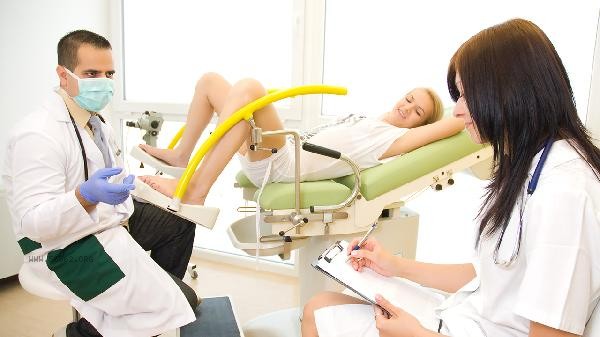
In most cases, gynecological examinations only cause mild discomfort and usually do not cause pain, but the specific feeling varies from person to person and is also related to the examination items. Gynecological examinations mainly include gynecological double diagnosis, vaginal secretion examination, cervical TCT and HPV screening, vaginal ultrasound, etc. These examinations are used to evaluate the health of the female reproductive system and timely detect problems such as inflammation, cysts, fibroids, or cervical lesions. In gynecological examinations, gynecological double diagnosis refers to the doctor using one hand in the vagina and the other hand in the abdomen to press and touch the size, position, and tenderness of the uterus and ovaries. This process may cause slight soreness or foreign body sensation, especially when pressed by a doctor, but usually does not reach the level of pain. For vaginal secretion examination and cervical sampling, doctors will use a small brush or cotton swab to gently rotate and collect cells at the cervical opening. Some women may feel a brief tingling or abdominal twitching sensation, which usually lasts for a few seconds before disappearing. Vaginal ultrasound examination requires placing the probe into the vagina, which is slightly thicker than a cotton swab. There may be slight compression when entering, but there is usually no obvious pain when the probe moves. If a woman has inflammation such as vaginitis, cervicitis, pelvic inflammatory disease, or is in the menstrual or ovulation period, the cervix and uterus may be more sensitive, and the feeling of soreness during examination may be more obvious. In addition, if women experience excessive tension and muscle tightness during the examination, it can also exacerbate discomfort. The doctor will try to be gentle during the operation and inform each step in advance to help relax. If there have been pelvic adhesions, endometriosis, or adenomyosis in the past, there may be significant pain when pressing. It is recommended to proactively inform the doctor of your condition before the examination, and the doctor can adjust the technique or choose a milder examination method. To reduce discomfort during gynecological examinations, it is recommended to empty the bladder before the examination, wear loose and easy to put on/take off clothing, take deep breaths as much as possible to relax the abdominal and perineal muscles during the examination, and do not hold your breath or exert force. If you are particularly sensitive to pain, you can communicate with your doctor in advance and choose a finer scope or use lubricant. Daily attention to keeping the external genitalia clean, avoiding unclean sexual activity, and regularly undergoing gynecological examinations can help detect and prevent gynecological diseases early. If there is persistent abdominal pain, abnormal bleeding, or increased secretion after examination, it is necessary to seek medical attention for re examination in a timely manner.








Comments (0)
Leave a Comment
No comments yet
Be the first to share your thoughts!