
Whether drinking water at 3am before the physical examination affects the examination results needs to be judged based on specific items. Fasting blood glucose, liver function and other blood tests may be affected, while urine routine, abdominal ultrasound and other tests usually have no effect.
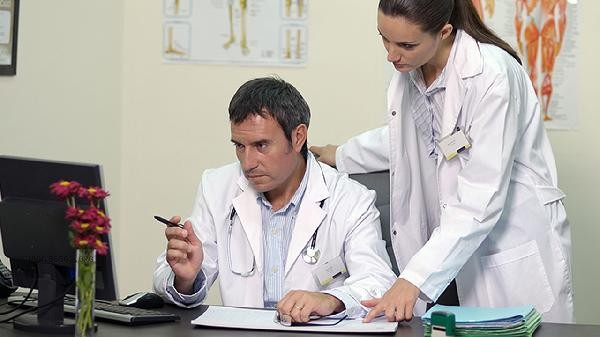
Fasting blood tests such as blood sugar, blood lipids, liver function, etc. are required, and fasting for 8-12 hours is required. Drinking water in the early morning may stimulate the secretion of digestive fluids, leading to a false increase in some indicators. Gastric emptying takes 30-60 minutes, and drawing blood within 1 hour after drinking a small amount of water may dilute the blood, but water within 200 milliliters has little interference with most biochemical indicators. Strict water restriction for 4-6 hours is required for gastroscopy examination to prevent the risk of aspiration. Moderate drinking of water before urine routine examination can avoid excessive concentration of urine, but attention should be paid to keeping a sample after the first urination in the morning. Abdominal ultrasound examination of the gallbladder requires fasting, but examinations of organs such as the kidneys and bladder are not restricted by drinking water. electrocardiogram, chest X-ray and other imaging examinations are not directly related to drinking water. Special examinations such as gastroscopy and carbon-13 breath test must strictly follow medical advice to avoid food and water intake.
Before the physical examination, it is necessary to carefully read the precautions, as different medical institutions may have different requirements for water prohibition. It is recommended to avoid eating after 22:00 before routine physical examination, and to moisten the throat with a small amount of water if thirsty in the early morning. If necessary medications such as antihypertensive drugs need to be taken, a small amount of water can be used to administer them. After completing the fasting project, it is necessary to replenish water and eat in a timely manner to avoid hypoglycemia. Maintain a normal diet and daily routine for 3 days before the physical examination, avoid vigorous exercise or alcohol consumption, and ensure the accuracy of the results.








Comments (0)
Leave a Comment
No comments yet
Be the first to share your thoughts!