
Drinking alcohol has an impact on physical examinations and may lead to abnormalities in liver function, blood lipids, blood sugar, and other indicators. After entering the human body, alcohol is mainly metabolized in the liver. Drinking alcohol can increase the burden on the liver, cause temporary elevation of transaminases, and interfere with doctors' judgment of liver health status. Alcohol can also affect lipid metabolism, leading to an increase in triglyceride levels and resulting in higher blood lipid test results. Meanwhile, drinking alcohol may stimulate pancreatic secretion or affect glucose metabolism pathways, causing fluctuations in fasting blood glucose levels and masking the true blood glucose levels. In addition, alcohol has a diuretic effect and may cause vasodilation, which can lead to inaccurate blood pressure measurements or blood concentration caused by dehydration, affecting the accuracy of indicators such as red blood cells and hemoglobin in blood routine. Long term or excessive alcohol consumption may also lead to an increase in uric acid production, resulting in elevated uric acid test values and misleading the assessment of gout risk.
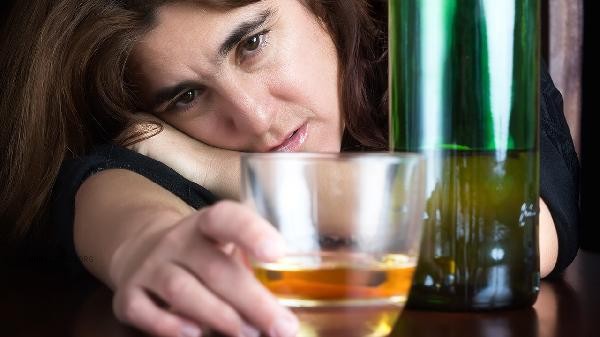
It is recommended to avoid drinking alcohol, maintain a light diet and sufficient sleep for three days to one week before the physical examination. On the day of the physical examination, it is necessary to go on an empty stomach. If there is a recent history of drinking, the doctor should be informed proactively so that the report can be comprehensively interpreted based on clinical conditions. Daily alcohol intake should be restricted to maintain physical health.








Comments (0)
Leave a Comment
No comments yet
Be the first to share your thoughts!