
A physical examination and blood draw during coughing usually does not affect the condition, and will not worsen the cough or affect the test results. Blood tests are mainly used to evaluate infections, inflammation, and other conditions, and do not directly conflict with coughing itself. However, it should be noted that if coughing is severe or accompanied by symptoms such as fever, it may indicate the presence of acute infection. At this time, the result of blood sampling will reflect the inflammatory state of the body, which is a normal diagnostic requirement and not the impact caused by blood sampling. Cough examination and blood sampling generally do not have a negative impact on health. Blood test is a commonly used diagnostic method in clinical practice. By analyzing indicators such as white blood cells, neutrophils, and C-reactive protein in the blood, it can help determine whether coughing is caused by viral infection, bacterial infection, or allergies. During the blood draw process, only a small amount of venous blood needs to be collected, with minimal interference to the body. Coughing itself is a protective reflex of the respiratory tract, and blood drawing does not stimulate the respiratory tract or worsen cough symptoms. However, if the cough is very severe, causing emotional tension or physical shaking in the patient, it may increase the difficulty of blood drawing operations, but this does not affect the safety of blood drawing. For patients taking cough suppressants or antibiotics, blood tests can also be performed normally, and the medication will not interfere with routine blood tests or inflammation indicators. Only in rare cases, such as when the patient also has severe coagulation dysfunction or local skin infection, should blood draw be temporarily suspended, but this is not directly related to coughing.
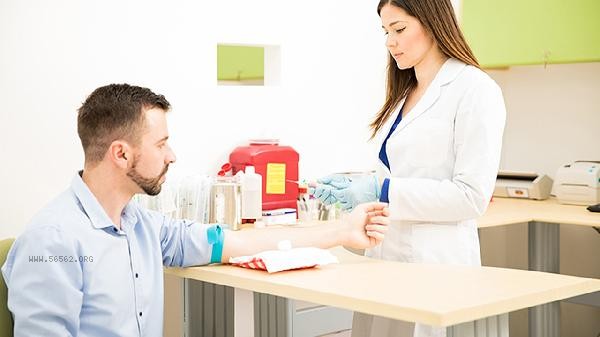
During coughing, it is recommended to maintain a normal diet and daily routine before blood sampling, without fasting or deliberately adjusting due to coughing. After drawing blood, pay attention to pressing the puncture point for 3-5 minutes to avoid local bruising. If coughing is accompanied by symptoms such as high fever, difficulty breathing, or coughing up pus and phlegm, medical attention should be sought in a timely manner. The results of blood tests can be used as a reference for doctors to develop treatment plans. In daily care, drinking warm water and keeping indoor air moist can help alleviate coughing discomfort, but there is no need to stop necessary medical examinations due to concerns about affecting blood draw.








Comments (0)
Leave a Comment
No comments yet
Be the first to share your thoughts!