
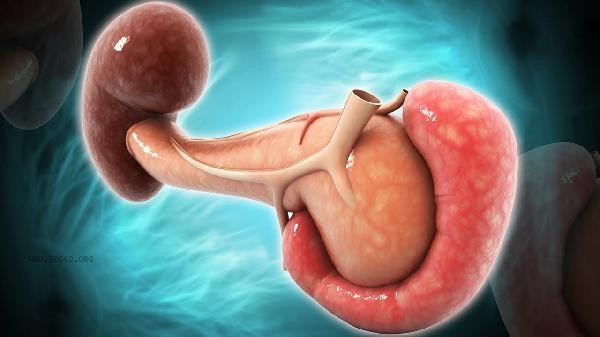
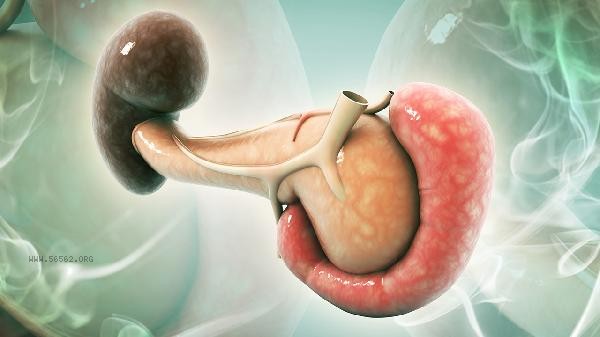
Patients with splenomegaly usually require regular follow-up examinations. Splenomegaly may be caused by various reasons such as infection, blood system diseases, liver diseases, etc. Regular follow-up can help monitor changes in the condition and adjust treatment plans in a timely manner. The frequency of follow-up examinations for patients with splenomegaly should be determined based on the etiology and severity of the condition. For patients with mild splenomegaly and clear etiology, doctors may recommend performing abdominal ultrasound examinations every 3-6 months to observe changes in spleen size. If the patient has chronic liver disease or hematological disorders, the follow-up interval may be shortened to 1-3 months, and laboratory tests such as blood routine and liver function should be conducted in conjunction. If progressive enlargement of the spleen or new symptoms are found during the re examination process, further CT or MRI examination should be performed to evaluate the structural changes of the spleen. Patients with splenomegaly in some special cases require closer monitoring. Pregnant women with splenomegaly during pregnancy should have a follow-up examination every 1-2 months to avoid splenic enlargement compressing the uterus and affecting fetal development. Children with splenomegaly are advised to undergo ultrasound examinations every 2-4 months and monitor their growth and development indicators due to growth and development factors. Splenomegaly caused by hematological malignancies may require weekly monitoring of blood count and spleen volume changes during chemotherapy. Patients with splenomegaly should avoid vigorous exercise and trauma in their daily lives, choose easily digestible foods, and limit the intake of rough and hard foods. When there are abnormal symptoms such as upper left abdominal pain, fever, or skin bruising, medical attention should be sought immediately. During regular follow-up, relevant examinations should be strictly followed according to medical advice, and the follow-up interval cannot be adjusted or interrupted by oneself.









Comments (0)
Leave a Comment
No comments yet
Be the first to share your thoughts!