
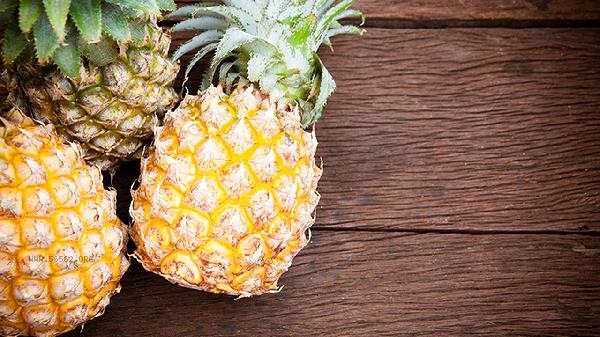
It is usually recommended to soak pineapple in salt water to help reduce oral discomfort. Pineapple contains bromelain and calcium oxalate crystals, and direct consumption may irritate the oral mucosa, causing numbness or stinging sensation.
1. Inhibition of enzyme activity
Pineapple contains bromelain, which is an enzyme that can break down proteins. When consumed directly, it can break down proteins on the surface of the oral mucosa, causing numbness or tingling in the tongue. Soaking pineapple in diluted salt water can inhibit the activity of bromelain to a certain extent, reduce its stimulating effect on oral mucosa, make the eating experience milder and more comfortable, and reduce the probability of oral discomfort.
2. Neutralizing acidity
Pineapple contains various organic acids, such as citric acid and malic acid. When the content of these acidic substances is high, it will bring a strong sense of sourness to the taste buds. Saltwater is weakly alkaline or neutral, and during the soaking process, it can help neutralize some organic acids, reduce the original sour taste of pineapple, enhance the sweetness and softness of the taste, and make pineapple taste sweeter and more delicious. It is suitable for people who are sensitive to acidity.
3. Dissolved Needle Crystals
Pineapple fruit pulp cells contain calcium oxalate needle crystals, which are tiny crystal structures that can puncture oral mucosal cells when chewed directly, causing physical pain and itching. Salt water immersion can utilize the principle of osmotic pressure to promote the dissolution or precipitation of some calcium oxalate crystals into the salt water, thereby reducing the number of crystals entering the oral cavity and effectively alleviating adverse reactions such as tongue pain and throat itching caused by physical stimulation.
4. Enhancing Flavor
Moderate salt content can highlight the sweetness in fruits, which is a manifestation of taste contrast effect. Soaking pineapple in salt water can suppress the perception of bitterness and sourness with a slight salty taste, while amplifying the feeling of sweetness, making the flavor of pineapple more diverse. Pineapple treated with salt water not only reduces its irritability, but also tastes sweeter and more delicious, which can better stimulate appetite and improve sensory experience.
5. Clean the surface
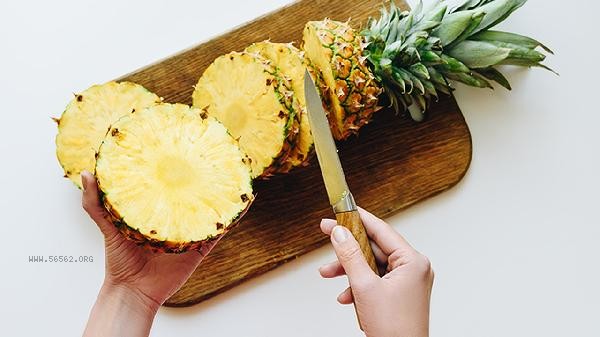
Pineapple skin is uneven and prone to hiding dust, bacteria, or residual pesticides, which may be carried into the flesh by the cutting tool when cutting. Saltwater has certain bactericidal and cleaning effects, and the soaking process can help clean impurities and some microorganisms attached to the surface of fruit pulp, achieving a simple disinfection and cleaning effect. Although it cannot completely replace the cleaning steps, combining with flowing water rinsing can further ensure food hygiene and reduce the risk of disease entering through the mouth.
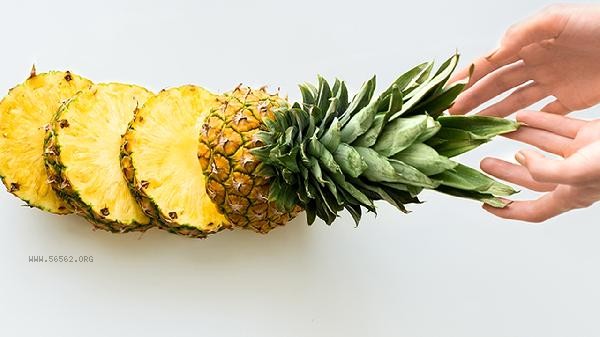
When eating pineapple in daily life, in addition to soaking it in salt water, you can also choose to heat and cook the pineapple. High temperature can completely destroy the activity of bromelain, completely eliminate irritation, and is suitable for making pineapple rice or sugar water. If there are severe allergic reactions such as oral redness, difficulty breathing, or rash all over the body after consumption, the food should be stopped immediately and medical attention should be sought promptly. It is recommended to consume pineapple in moderation and avoid overeating on an empty stomach to avoid stimulating the gastrointestinal mucosa and causing abdominal pain or diarrhea. People with allergies should try to consume it under the guidance of a doctor. Maintaining a balanced diet and consuming other vegetables and fruits can help obtain comprehensive nutritional support.



Comments (0)
Leave a Comment
No comments yet
Be the first to share your thoughts!