
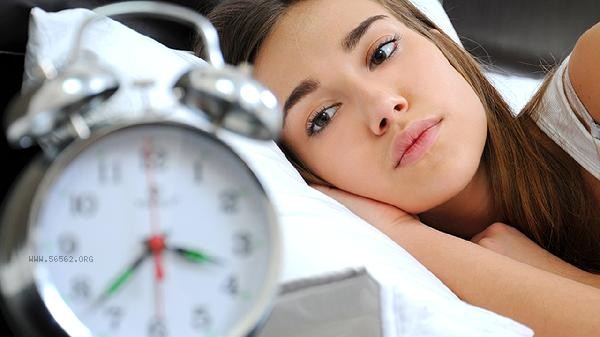
Staying up late the day before usually affects the physical examination results, especially causing significant interference with indicators such as blood pressure, heart rate, liver function, and blood sugar. To ensure the accuracy and reliability of physical examination data, it is recommended to maintain a regular sleep schedule and avoid staying up late before the examination. Staying up late can cause the body to be in a state of stress, with the sympathetic nervous system excited, leading to an increase in blood pressure and heart rate. This temporary blood pressure fluctuation may be misdiagnosed as hypertension, while an increase in heart rate may be recorded as sinus tachycardia. Staying up late can also affect the metabolism and detoxification function of the liver, leading to a transient increase in liver function indicators such as transaminase, which interferes with doctors' assessment of liver health status. In addition, lack of sleep will reduce insulin sensitivity, which may cause an abnormal increase in fasting blood glucose levels, affecting the screening results of diabetes. Staying up late may also alter hormone levels such as cortisol and thyroid hormones in the blood, causing interference with endocrine related examination items. For electrocardiogram examination, fatigue and neural excitation caused by staying up late may lead to non-specific ST-T wave changes, increasing the complexity of diagnosis. Similarly, staying up late and experiencing dehydration or metabolic disorders in the body may result in false positive results for urine ketones or urine protein in urine routine tests. In order to obtain accurate physical examination results, it is recommended to maintain a regular sleep routine three days before the examination and ensure 7-8 hours of sufficient sleep every night. The night before the physical examination, one should avoid drinking stimulating drinks such as coffee and strong tea, and choose light and easily digestible foods for dinner. If you have to stay up late due to special reasons, it is recommended to proactively inform the doctor of your daily routine during the physical examination, so that the doctor can make a comprehensive judgment of the results. If any abnormal indicators are found after the physical examination, a follow-up examination can be conducted one week after adjusting the daily routine to eliminate the interference caused by staying up late.








Comments (0)
Leave a Comment
No comments yet
Be the first to share your thoughts!