
The comprehensive physical examination mainly includes physical examination, laboratory examination, imaging examination, functional examination, and other specialized examinations. Common items include blood routine, urine routine, liver function, kidney function, blood glucose, blood lipids, electrocardiogram, chest X-ray, abdominal ultrasound, tumor marker screening, etc.

1. Physical examination
Physical examination is the basic item of comprehensive physical examination, including measurement of basic vital signs such as height, weight, blood pressure, pulse, as well as specialized examinations in internal medicine, surgery, ophthalmology, otolaryngology, dentistry, etc. Doctors use methods such as visual examination, palpation, percussion, and auscultation to preliminarily assess the health status of various systems in the body. Physical examination can help detect common problems such as obesity, hypertension, and thyroid enlargement.
2. Laboratory Examination
Laboratory examination involves collecting blood, urine, feces and other samples for testing, including blood routine, urine routine, stool routine, liver function, kidney function, blood glucose, blood lipids, electrolytes, thyroid function, etc. These examinations can reflect the metabolic state of the body and help to find anemia, infection, diabetes, hyperlipidemia, liver and kidney diseases and other problems. Some medical examination packages also include screening for tumor markers.
3. Imaging examinations
Imaging examinations mainly include chest X-rays, abdominal ultrasound, thyroid ultrasound, breast ultrasound, electrocardiogram, etc. Chest X-ray can screen for lung diseases, abdominal ultrasound can examine organs such as liver, gallbladder, pancreas, spleen, and kidney, and electrocardiogram can evaluate cardiac electrical activity. Some high-end physical examinations may also include CT, MRI and other examinations, which can observe organ structures in more detail and help detect tumors, stones and other lesions early.

4. Functional examination
Functional examination mainly evaluates the functional status of organs, and common items include lung function examination, bone density testing, arteriosclerosis testing, gastroscopy examination, etc. Pulmonary function tests can assess respiratory function, bone density testing can help screen for osteoporosis, arteriosclerosis testing can evaluate vascular elasticity, and gastrointestinal endoscopy can directly observe the condition of the digestive tract mucosa. These examinations are of great significance for early screening of chronic diseases.
5. Special examinations
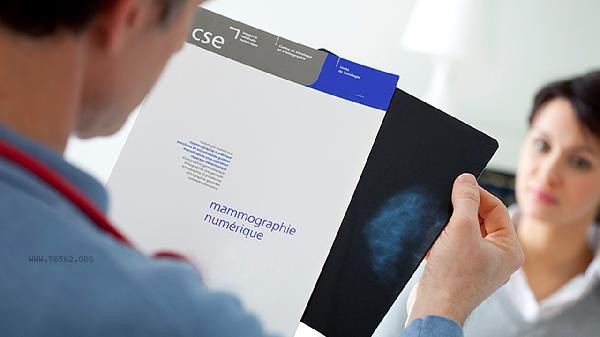
Special examinations are examination items targeted at specific populations or diseases, such as gynecological examinations, prostate examinations, Helicobacter pylori testing, HPV testing, etc. Women may need to undergo mammography and cervical smear tests, while men may need to undergo prostate-specific antigen testing. Based on personal health status, family history, age, and other factors, doctors may recommend adding corresponding specialized examination items. The selection of comprehensive physical examination items should be personalized based on factors such as individual age, gender, family history, and lifestyle habits. It is recommended to undergo a routine physical examination once a year, and individuals over 40 years old or at high risk of chronic diseases may increase the frequency of examinations appropriately. Before the physical examination, one should maintain a normal diet and avoid vigorous exercise. Some items require fasting for 8-12 hours. After the physical examination, it is necessary to consult a doctor in a timely manner to interpret the report. If any abnormal indicators are found, further examination or treatment should be carried out. At the same time, attention should be paid to maintaining a healthy lifestyle, including a balanced diet, moderate exercise, and regular sleep.








Comments (0)
Leave a Comment
No comments yet
Be the first to share your thoughts!