
Anxious lovers typically exhibit characteristics such as excessive dependence on partners, repeated confirmation of relationships, and extreme sensitivity to separation. This group of people is prone to self doubt and overinterpretation in intimate relationships, and may develop insecure attachment patterns due to childhood attachment trauma or emotional neglect experiences. There are five typical manifestations: excessive emotional demands, catastrophizing thinking, contradictory behavior, somatic reactions, and excessive idealization of relationships.
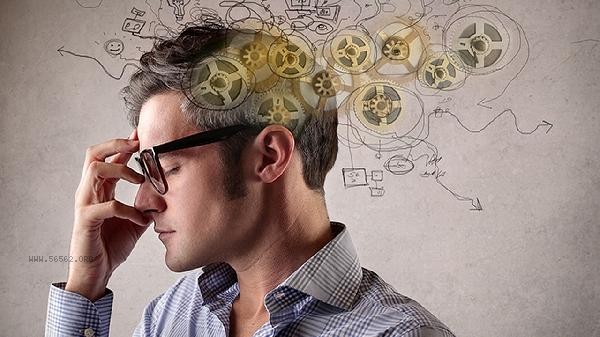
1. Excessive emotional demands
Anxious lovers will continue to demand emotional assurance from their partners, such as frequently asking if they are loved or requesting instant response to messages. This behavior stems from a deep fear of being abandoned, often accompanied by strong emotional fluctuations when the partner does not respond in a timely manner. Some individuals may alleviate their anxiety by testing loyalty, such as intentionally creating conflicts and observing the other party's reactions.
2. Catastrophic thinking
can easily interpret a partner's ordinary behavior as a signal of relationship crisis, such as equating busy work with fading emotions. This group of people often fall into negative preconceptions and even without actual evidence, they will fabricate abandoned scenes. Cognitive bias leads to an excessive focus on potential threats in relationships and a neglect of positive interactions.
3. Contradictory behavior
is characterized by repeated swings between closeness and distance, with both a desire for intimacy and a fear of getting hurt. Typical patterns include expressing strong needs first, then regretting and apologizing, or intentionally being cold to attract the attention of a partner. This contradiction arises from the psychological conflict of both wanting to rely and worrying about the potential harm caused by dependence, often leaving partners confused.
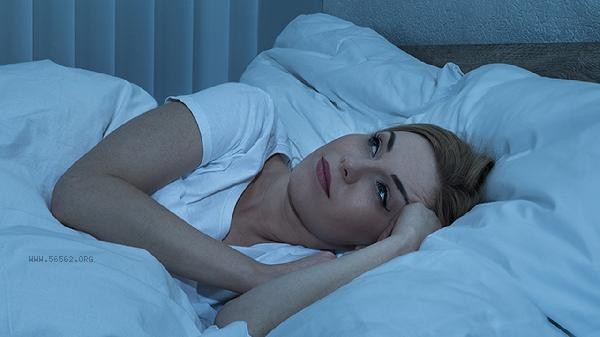
4. Somatic response
Long term anxiety may transform into physical symptoms, such as insomnia, stomach pain, or palpitations during tense relationships. Some people may exhibit compulsive behavior, such as constantly checking their partner's social dynamics. These physiological reactions are the manifestation of subconscious conversion of emotional stress into bodily signals, which need to be distinguished from organic diseases.
5. Excessive idealization of relationships
tends to idealize partners and demand that they fully satisfy their emotional needs. When there is a gap between reality and ideals, it is easy to experience a strong sense of disappointment. This black-and-white cognitive pattern makes it difficult for them to accept the normal process of adjustment in relationships, and may completely negate emotions due to trivial matters. When interacting with anxious partners, partners can establish clear boundary rules, such as setting a fixed daily communication time instead of responding at any time. Encourage them to cultivate independent interests and gradually shift their focus from relationships to personal growth. Regular exercise such as yoga or jogging can help alleviate physical symptoms of anxiety, and adding foods rich in tryptophan such as bananas and oats to the diet may help stabilize emotions. If the symptoms seriously affect daily life, it is recommended to explore early attachment trauma in professional psychological counseling and adjust negative relationship patterns through cognitive-behavioral therapy.





Comments (0)
Leave a Comment
No comments yet
Be the first to share your thoughts!