
Skipping staple foods can indeed help with weight loss, but it is not healthy in the long run. Let's delve deeper into this topic to understand why skipping staple foods may lead to weight loss, as well as the potential risks and alternatives of this approach.
1. Short term weight loss effect
Not eating staple foods can indeed quickly lead to weight loss. This is mainly because carbohydrates in staple foods are the main source of energy for the body. When you reduce your intake, the body begins to consume stored fat and glycogen, leading to weight loss. In addition, carbohydrates store water in the body, and reducing intake can lead to a decrease in body water, which is also one of the reasons for rapid weight loss.
2. Risk of Nutritional Imbalance
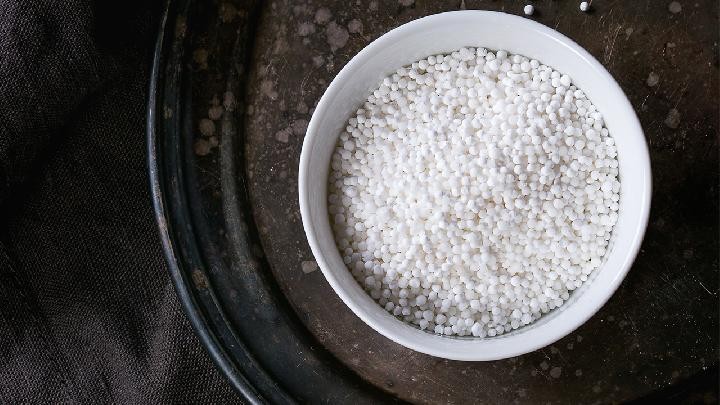
Long term non consumption of staple foods can lead to nutritional imbalance. Staple foods such as rice and noodles not only provide carbohydrates, but also contain a variety of vitamins and minerals. Lack of these nutrients may lead to physical dysfunction, such as fatigue, lack of concentration, and weakened immunity. Especially the deficiency of vitamin B and dietary fiber can affect intestinal health and metabolism.
3. Metabolic slowdown and rebound risk
Long term non consumption of staple foods may also lead to a decrease in basal metabolic rate. Because the body adapts to a low carbohydrate diet and reduces energy expenditure. Once the normal diet is restored, the weight is easy to rebound, even higher than before. This is because the body will store energy more efficiently to cope with the possible recurrence of hunger.
4. Psychological and Social Effects
Not eating staple foods may also bring psychological stress and social distress. Staple food is the foundation of many delicious foods, and avoiding these foods in the long run may cause inconvenience in social situations and even affect your mood. Diet should be a pleasant and satisfying process, not a burden.
5. Healthy weight loss alternatives
Healthy weight loss should not rely on completely avoiding certain types of food. On the contrary, a balanced diet and moderate exercise are the long-term solutions. You can choose staple foods with low glycemic index (GI), such as brown rice, whole wheat bread, etc. These foods can provide stable energy release without causing rapid rise in blood sugar. In addition, controlling the intake of staple foods and increasing the proportion of protein and vegetables are also effective weight loss methods.
6. Scientific Diet Plan
Developing a scientific diet plan can help you better manage your weight. You can refer to widely recognized healthy eating patterns such as the Mediterranean diet or the DASH diet. These dietary patterns not only help to lose weight, but also reduce the risk of chronic diseases such as cardiovascular disease and diabetes. Overall, although skipping staple foods can see weight loss effects in the short term, it is not a healthy weight loss method in the long run. A balanced diet and moderate exercise are the key to maintaining a healthy weight.





Comments (0)
Leave a Comment
No comments yet
Be the first to share your thoughts!