
Patients with uterine fibroids can generally eat hawthorn in moderation, but should pay attention to the amount consumed and their own symptoms.

1. Moderate consumption
Hawthorn contains various organic acids and vitamin C. Moderate consumption can help promote the secretion of digestive juices and improve gastrointestinal function. For patients with uterine fibroids, if their digestive function is normal and there are no special discomforts, consuming a small amount of hawthorn in their daily diet usually does not directly stimulate the growth of fibroids or worsen the condition. It can be eaten as an appetizing complementary food with meals. According to traditional Chinese medicine theory, hawthorn has the effect of promoting blood circulation and removing blood stasis, while the occurrence and development of uterine fibroids are closely related to hormone levels and blood circulation status in the body. If the patient is in the menstrual period and has a heavy menstrual flow, or if the fibroid volume is large and tends to bleed, excessive consumption of hawthorn may enhance uterine contractions or worsen bleeding symptoms. At this time, the intake should be strictly controlled or temporarily avoided.
3. Stomach acid stimulation
Hawthorn has a sour and astringent taste, containing high levels of fruit acid. When consumed on an empty stomach or in large quantities at once, it can easily irritate the gastric mucosa, causing gastrointestinal discomfort such as acid reflux, heartburn, or stomach pain. If patients with uterine fibroids also have digestive system diseases such as chronic gastritis and gastric ulcers, blindly eating too much hawthorn may induce or worsen the original stomach symptoms, affecting overall nutrient absorption and physical recovery.
4. Sugar Concerns
Commercial hawthorn products such as hawthorn slices and fruit peels often add a large amount of sugar additives during the processing to neutralize the sour taste. If patients with uterine fibroids have a long-term high sugar diet, it may lead to fluctuations in insulin levels or weight gain in the body, indirectly affecting the endocrine environment. It is recommended to prioritize fresh hawthorn and reduce the intake of high sugar processed products to maintain metabolic balance.
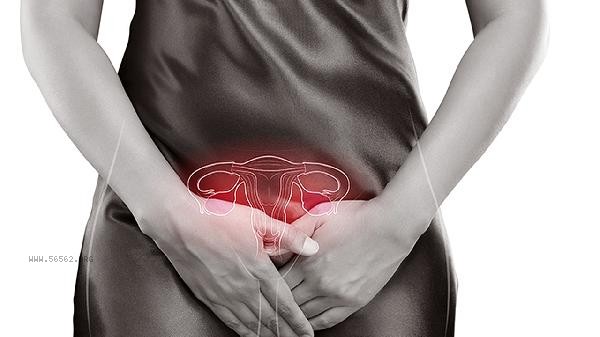
5. Individual Differences
There are significant differences in the constitution, fibroid type, and growth rate of each patient with uterine fibroids, and their reactions to food are also different. Patients with some sensitive constitutions may experience abdominal pain or bloating after consuming hawthorn, indicating that the food may not be suitable for their current physical condition. If any discomfort occurs after eating, stop eating immediately and observe changes in symptoms. Seek professional guidance if necessary. Patients with uterine fibroids should maintain a balanced diet in their daily lives, consume more fresh vegetables and fruits rich in high-quality protein, vitamins, and dietary fiber, and avoid long-term consumption of health supplements or unknown ingredients containing estrogen like effects. At the same time, it is necessary to maintain moderate exercise to control weight and avoid endocrine disorders caused by obesity. Regular gynecological ultrasound examinations should be conducted to monitor the size and growth trend of fibroids. Once excessive menstrual flow, worsening abdominal pain, or compression symptoms occur, timely medical attention should be sought, and personalized treatment plans should be formulated according to medical advice. Do not self medicate or rely on folk remedies to delay the condition.






Comments (0)
Leave a Comment
No comments yet
Be the first to share your thoughts!