
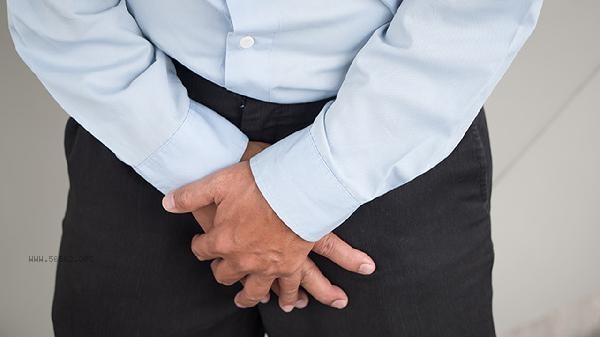
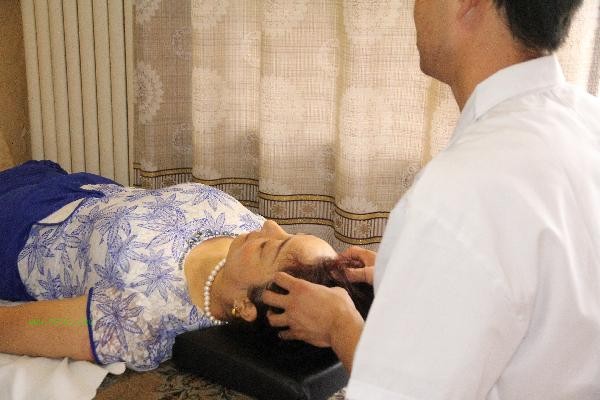
Traditional Chinese medicine can serve as an adjuvant treatment for prostate cancer, but it cannot replace modern medical treatments such as surgery and radiation therapy. The treatment of prostate cancer requires individualized comprehensive therapy based on stage, and traditional Chinese medicine mainly plays a role in relieving symptoms and reducing the side effects of radiotherapy and chemotherapy. The core idea of traditional Chinese medicine treatment for prostate cancer is to strengthen the body and eliminate evil, and improve the overall condition of patients by regulating the balance of qi, blood, yin and yang. Common methods include Chinese medicine decoction, acupuncture and moxibustion, moxibustion, etc. Traditional Chinese medicine formulas such as Liuwei Dihuang Wan and Zhibai Dihuang Wan can improve the symptoms of hot flashes and night sweats caused by kidney yin deficiency, while Bu Zhong Yi Qi Tang can help alleviate qi deficiency and fatigue. Acupuncture and moxibustion selects Guanyuan, Qihai and other acupoints to regulate the function of lower energizer. Moxibustion of Shenshu can warm yang and strengthen the root. Some traditional Chinese medicine ingredients such as astragalus polysaccharides and ginsenosides have been proven to have immunomodulatory effects, but attention should be paid to the potential interactions between traditional Chinese medicine and anti androgen drugs. Modern medicine remains the dominant treatment for prostate cancer. The first choice for localized prostate cancer is radical prostatectomy or radiation therapy, and advanced patients need to combine endocrine therapy, chemotherapy, etc. Traditional Chinese medicine is more suitable for intervention in three aspects: preoperative conditioning to enhance surgical tolerance, reduction of bone marrow suppression and other toxic side effects during radiotherapy and chemotherapy, and improvement of quality of life during rehabilitation. Clinical data shows that integrated traditional Chinese and Western medicine treatment can reduce the biochemical recurrence rate, but there is no evidence to suggest that traditional Chinese medicine alone can cure malignant tumors. Patients should regularly monitor their PSA levels to avoid delaying standardized treatment due to excessive reliance on traditional Chinese medicine. When prostate cancer patients receive traditional Chinese medicine treatment, they should choose the oncology department of a regular Chinese medicine hospital and avoid using medicinal materials containing nephrotoxic ingredients such as aristolochic acid. Maintain a low-fat and high fiber diet during treatment, engage in appropriate pelvic floor muscle training, and regularly review imaging and tumor markers. Traditional Chinese medicine should be taken at least 2 hours apart from Western medicine. If symptoms such as bone metastasis pain or urinary obstruction occur, they should be immediately referred to Western medicine for treatment.







Comments (0)
Leave a Comment
No comments yet
Be the first to share your thoughts!