
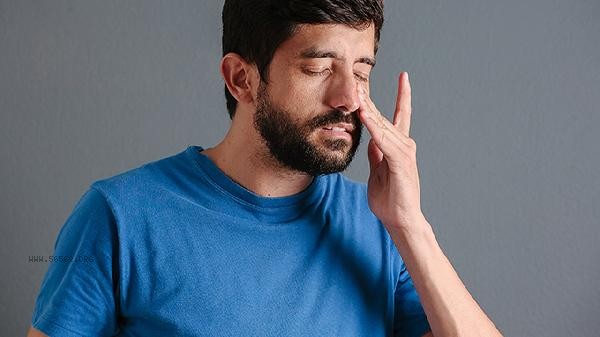
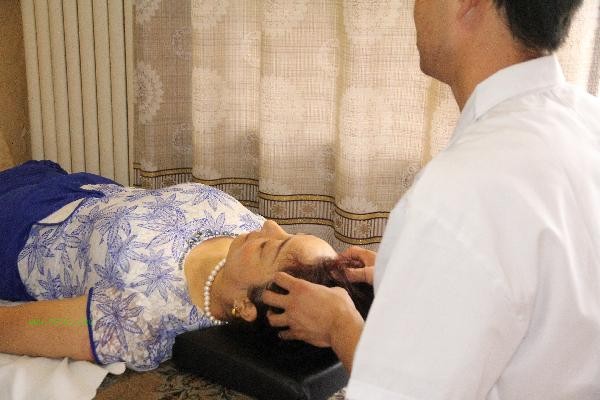
Traditional Chinese medicine has a certain effect on treating nasal polyps, but it needs to be comprehensively judged based on the severity of the condition and individual constitution. Nasal polyps are mainly characterized by nasal congestion, decreased sense of smell, and runny nose, and are a common benign disease of the nasal cavity. For patients with mild nasal polyps, traditional Chinese medicine treatment may achieve good results. Traditional Chinese medicine believes that nasal polyps are often related to dysfunction of the lungs, spleen, and kidneys. Common syndrome types include lung meridian wind heat, liver and gallbladder damp heat, and spleen and stomach weakness. The treatment methods include oral Chinese medicine and external therapy, with commonly used formulas such as Xinyi Qingfei Yin and Cang'er Zi San. External treatment includes nasal irrigation, acupuncture and moxibustion, etc., which has the effect of opening the orifices and reducing swelling. These methods have minimal side effects and are suitable for patients who have concerns about surgery. For patients with larger nasal polyps or obvious complications, it is recommended to combine Western medicine treatment. Traditional Chinese medicine treatment, as an auxiliary method, can help alleviate symptoms and reduce recurrence. Western medicine treatment methods include corticosteroid nasal spray, antihistamines, and other medications. If necessary, nasal endoscopic surgical resection may be performed. The combination of traditional Chinese and Western medicine is one of the preferred treatment options for multiple nasal polyps. Patients with nasal polyps should pay attention to keeping their nasal cavity clean during treatment, and using saline to rinse the nasal cavity can help alleviate symptoms. Avoid contact with allergens such as dust and pollen, quit smoking and limit alcohol consumption, and have a light diet. Proper massage of acupoints around the nasal cavity, such as Yingxiang and Yintang, can help improve local blood circulation. Regularly follow up to monitor changes in the condition and adjust the treatment plan according to the doctor's advice, in order to achieve the best treatment effect.







Comments (0)
Leave a Comment
No comments yet
Be the first to share your thoughts!