
It is usually not recommended to rely solely on traditional Chinese medicine for treatment of 10mm pulmonary nodules. Intervention methods should be determined based on the nature of the nodules evaluated by Western medicine. The main treatment methods for pulmonary nodules include regular follow-up, biopsy, surgical resection, etc.
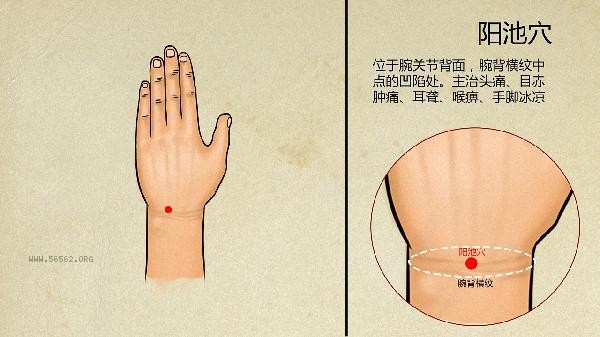
1. Regular Follow up
For newly discovered 10mm pulmonary nodules, if there are no malignant signs, it is usually recommended to have a chest CT scan every 3-6 months. During the follow-up period, traditional Chinese medicine can be used to regulate the lung qi, such as Huangqi and Codonopsis pilosula, which may help improve physical fitness but cannot directly eliminate the nodules. It should be noted that traditional Chinese medicine should be prescribed by a regular Chinese medicine practitioner and should not be taken by oneself.
2. Puncture biopsy
When suspicious features such as lobulation and spiculation appear in nodules, CT guided biopsy is required to clarify the pathological nature. Traditional Chinese medicine treatment can be used as an auxiliary method at this stage, such as Baihe Gujin Tang and other formulas that may alleviate cough symptoms, but cannot replace pathological diagnosis. Before and after biopsy, it is necessary to fully communicate with the attending physician regarding the use of traditional Chinese medicine. Surgical resection is the preferred treatment option for 10mm pulmonary nodules diagnosed as malignant or highly suspicious. During the postoperative recovery period, traditional Chinese medicine rehabilitation can be combined, such as adding or subtracting Sha Shen Mai Dong Tang, which can help improve the state of qi and yin deficiency after surgery, and Chuan Bei Yu Lu, which can relieve irritating dry cough, but both should be used under the guidance of a doctor.
4. Traditional Chinese Medicine Diagnosis and Treatment
Traditional Chinese Medicine classifies pulmonary nodules as "lung accumulation", and clinical subtypes include qi stagnation and blood stasis type, phlegm dampness accumulation type, etc. Xuefu Zhuyu Tang can be used for qi stagnation and blood stasis type, while Erchen Tang combined with Sanzi Yangqin Tang is suitable for phlegm dampness type, but it needs to be evaluated with modern medical examination for efficacy. The use of traditional Chinese medicine alone to eliminate nodules lacks evidence-based evidence.
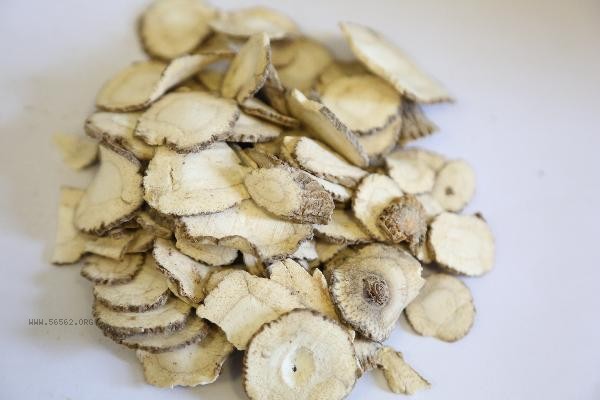
5. Integrated Traditional Chinese and Western Medicine
For patients who have undergone surgery or refuse surgery, a combination of traditional Chinese and Western medicine can be attempted under Western medical monitoring. If Xihuang Wan is used to assist in anti-inflammatory treatment and combined with Brucea Javanica Oil Soft Capsules to regulate immunity, regular CT scans are required to observe changes in nodules. No traditional Chinese medicine regimen can replace the standard processing procedures of Western medicine. After discovering pulmonary nodules, it is recommended to quit smoking and avoid secondhand smoke, maintain moderate aerobic exercise to enhance lung function, and pay attention to supplementing high-quality protein and vitamin A/C in diet. During the preparation of traditional Chinese medicine, it is necessary to strictly follow the doctor's advice and avoid taking traditional Chinese medicines such as Polygonum multiflorum and Panax notoginseng that may damage the liver. Rechecking low-dose CT every 3 months is a key measure for monitoring changes in nodules.





Comments (0)
Leave a Comment
No comments yet
Be the first to share your thoughts!