
In the early stage of Sjogren's syndrome, symptoms can be relieved through traditional Chinese medicine treatment, but it is difficult to completely cure. Traditional Chinese medicine treatment mainly adopts methods such as nourishing yin and moistening dryness, supplementing qi and generating fluids. Patients need to cooperate with long-term regulation and lifestyle improvement. Sjogren's syndrome is a chronic autoimmune disease, in which early patients often present with symptoms of dysfunction of exocrine glands such as dry mouth and dry eyes. The syndrome differentiation of traditional Chinese medicine mostly falls into the syndrome type of yin deficiency and jin deficiency or both qi and yin deficiency. Usually, Shengmai Decoction, Liuwei Dihuang Pill and other prescriptions are used to nourish yin and dryness, and acupuncture and moxibustion is used to stimulate relevant points to promote body fluid production. Some patients may experience temporary improvement in saliva secretion and alleviation of mucosal dryness symptoms after taking traditional Chinese medicine. Due to the irreversible destruction of glands in this disease, traditional Chinese medicine alone cannot prevent the progression of the condition. In the later stages of the disease, visceral damage such as pulmonary fibrosis and renal tubular acidosis may occur, and immunosuppressive therapy should be combined at this time. Regular testing of anti SSA/SSB antibodies and tear secretion tests are crucial for evaluating therapeutic efficacy.
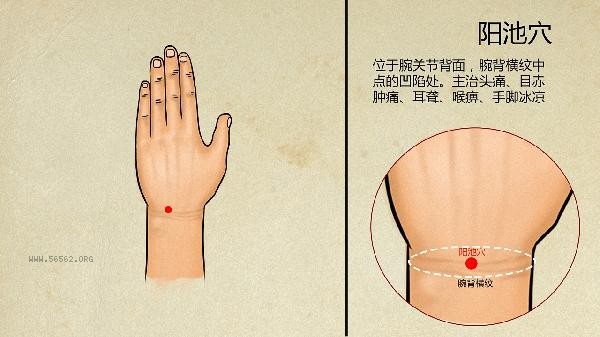
It is recommended that patients maintain oral hygiene during traditional Chinese medicine treatment, use artificial tears to alleviate dry eye symptoms, and avoid spicy and irritating foods. In winter, use a humidifier to maintain the humidity of the environment, and practice health Qigong such as Ba Duan Jin to help the circulation of qi and blood. When symptoms such as persistent low-grade fever and joint swelling and pain occur, it is necessary to seek medical attention promptly at the rheumatology and immunology department.





Comments (0)
Leave a Comment
No comments yet
Be the first to share your thoughts!