
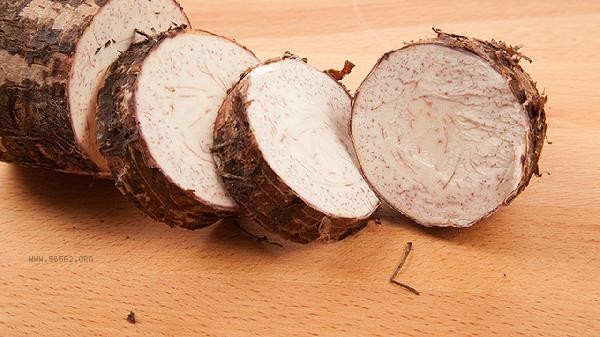
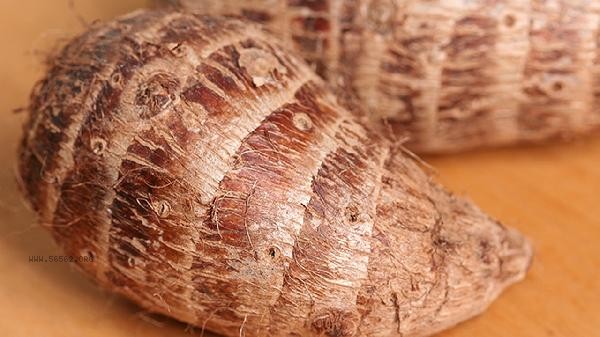
After sprouting, taro is usually edible and its toxicity is much lower than that of potatoes, but its taste and nutrition may decrease. Unlike potatoes, taro does not produce large amounts of toxic substances such as solanine during its germination process, so it is unnecessary to simply discard it due to germination. In most cases, as long as the taro body has not decayed, spoiled, or moldy, and only tender shoots have grown, it can be cooked and consumed normally. At this point, the starch inside the taro will be partially converted into sugar to supply for bud growth, resulting in an increase in the sweetness of the tuber itself but a decrease in its chewiness, and the texture may become slightly harder or fibrotic. Before consumption, simply remove the bud eyes and surrounding area thoroughly, and peel off the outer skin. After high-temperature steaming or stewing, it can be safely consumed. For taro with short germination time, small bud size, and intact skin, its internal tissue structure is not damaged, and the risk of microbial infection is low, making it suitable for daily processing at home. If taro is stored in a dry and ventilated environment, even if it sprouts slightly, as long as the sprouts are removed in time, the flavor and safety of the remaining part are still guaranteed, and it will not cause food poisoning reactions. In rare cases, if taro sprouts accompanied by blackening of the skin, softening of flowing water, emission of odors, or the appearance of mold spots, it indicates that the tubers have been severely infected by bacteria or fungi. At this time, regardless of the size of the sprouts, they are not edible. Even if the sprouting parts of these spoiled taro are removed, toxins or metabolites may have spread to the internal tissues, which may cause gastrointestinal discomfort such as nausea, vomiting, and abdominal pain after consumption. Especially when taro is stored for too long and the internal water loss is severe, causing it to dry out, and the bud growth is vigorous, its nutritional value has been greatly lost, and its taste is extremely poor. It is not recommended to continue consuming it. In addition, for people with weak gastrointestinal function, the elderly or children, if they accidentally consume sprouted taro with slight decay, it is more likely to cause indigestion or acute gastroenteritis, and should be carefully identified. Once the overall texture of taro is found to be abnormally soft or brown spots appear inside after cutting, it should be discarded directly to avoid health risks. When storing taro in daily life, it should be placed in a cool, dry, and well ventilated environment, avoiding direct sunlight and humid heat to slow down the germination rate. When purchasing, try to choose taro with intact skin, no damage, and a solid texture. If you do not consume it in the short term after returning home, you can wrap it in newspaper and store it in a cardboard box. Before consumption, it is necessary to carefully inspect the surface and incision of the taro to ensure that there are no signs of decay or deterioration. Wearing gloves during processing can prevent skin irritation caused by mucus and itching. During the cooking process, it is necessary to ensure sufficient heating and maturation, which can not only enhance the taste but also further kill potential microorganisms. If you have doubts about the quality of taro or experience any physical discomfort after consumption, you should immediately stop taking it and seek medical advice in a timely manner. Do not blindly try it to avoid damaging your health.




Comments (0)
Leave a Comment
No comments yet
Be the first to share your thoughts!